BEETHOVEN APPASSIONATA
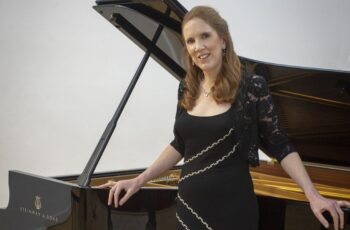
Tim Horton
Crucible Playhouse, Sheffield
Saturday 5 December 2026, 2.00pm
Tickets:
£23
£14 UC, PIP & DLA
£5 Students & Under 35s

BEETHOVEN
Piano Sonata No.1 in F minor Op.2
Piano Sonata No.3 in C Op.2
Piano Sonata No.2 in A Op.2
Piano Sonata No.23 in F minor Op.57 ‘Appassionata’
On the threshold of a Beethoven bicentenary year, Ensemble 360’s pianist Tim Horton launches his latest marathon project. With his familiar commitment, rigour and virtuosic playing, he embarks on the monumental feat of a complete Beethoven piano sonata cycle.
This thrilling afternoon launches a journey through Beethoven’s staggering achievements for piano, with works including his celebrated Appassionata sonata.
Save 20% when you book for 10 or more Music in the Round Sheffield concerts in one transaction.
Save 10% when you book for 5 or more Music in the Round Sheffield concerts in one transaction. Find out more.
BEETHOVEN, LUDWIG VAN Piano Sonata Op.2 No.1-3
BEETHOVEN Ludwig van, Piano Sonata in F minor Op.57 ‘Appassionata’
The Sonata in F minor Op.57 only acquired its famous nickname ‘Appassionata’ after Beethoven’s death – an invention by a Hamburg publisher that has stuck. The work was mostly sketched in 1805, finished the following year, and first published in 1807. The manuscript, in the Bibliothèque Nationale de France, came from the family of the French pianist Marie Bigot, to whom Beethoven had given it after she sight-read it for him. Her husband recalled that just before Beethoven’s visit, during his journey back to Vienna from Silesia, he was ‘surprised by a storm and driving rain, which soaked through the case in which he carried the Sonata in F minor which he had just composed’ and, indeed, the manuscript has many water stains, presumably made by this downpour. The Appassionata is recognized as one of the greatest of Beethoven’s middle-period piano sonatas (alongside the Waldstein), and its turbulent emotional world moves from the gloom of the opening to a quotation from a folk song (for the second theme), a set of variations on a deceptively simple chordal theme for the slow movement, leading via a chromatic diminished seventh chord to the finale.
Nigel Simeone © 2011
“Tim Horton is an unsung hero of the UK classical world: a warm, appreciative presence on stage and a bright, assertive sound at the keyboard.”
Jon Jacob, Thoroughly Good