ROMANTIC & CLASSICAL STRING QUARTETS
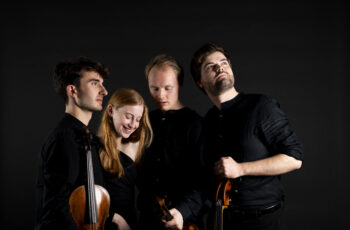
Consone Quartet
Emmanuel Church, Barnsley
Friday 21 November 2025, 7.30pm
Tickets*:
£14.50
DLA, PIP and UC £10
Under 35s £5
*Additional £1.50 booking fee for purchase via The Civic
Past Event
BEETHOVEN String Quartet in F H.34
HAYDN String Quartet in G Op.33 No.5 ‘How do you do?’
MOZART String Quartet in A K464
Music in the Round’s Visiting String Quartet make their Barnsley debut! The Consone Quartet has won great acclaim for its authentic interpretations of Romantic and Classical works, with prestigious awards including the Royal Over-Seas League Ensemble prize and as BBC New Generation Artists.
BEETHOVEN, Ludwig van, String Quartet in F major, H.34
HAYDN Joseph, String Quartet in G major ‘How do you do’
i. Vivace assai
ii. Largo e cantabile
iii. Scherzo. Allegro – Trio
iv. Finale. Allegretto
Haydn’s Op.33 came after a ten-year gap from his previous string quartet. In 1781 he wrote this set of six pieces that have since been called the ‘Russian’ quartets, as Haydn dedicated them to the Grand Duke Paul of Russia. ‘Russian’ quartet No. 5 is also known as ‘How Do You Do’, due to the four-note sequence that opens the first theme, and that is repeated at various intervals throughout all four movements. The second movement is set apart from the other lively and upbeat movements, holding a darker, more melancholy feeling to it. The Scherzo is by far the most playful of the four pieces, containing displaced accents and long pauses that constantly fool the listener into believing the piece is reaching its end. Together, Op.33 No.5 is a set of sophisticated pieces full of energy and momentum, that audiences have adored since Haydn first composed them.
MOZART Wolfgang Amadeus, String Quartet in A major K464
i. Allegro
ii. Menuetto and Trio
iii. Andante (theme with variations)
iv. Allegro non troppo
Mozart wrote this String Quartet in A major in 1785, and it was the fifth of his six quartets that he dedicated to contemporary composer Joseph Haydn. Haydn and Mozart held each other’s work in high regard, even sitting down together to play the last three ‘Haydn’ quartets, with Haydn on first violin and Mozart playing viola. String Quartet in A major is much more frugal in its makeup than many of Mozart’s other works, with only a couple of short musical themes being established and explored in each piece. Ironically though, it is one of his longest quartets. It is sometimes known as the Drum because in the sixth variation of the Andante, the cello part has a repeated staccato section that has been likened to a drumbeat. The coda in the Allegro non troppo picks up on Haydn’s practice of ‘joke’ endings, bringing the set to a playful conclusion.