VAUGHAN WILLIAMS: SONGS OF TRAVEL
Roderick Williams & Christopher Glynn
Crucible Playhouse, Sheffield
Saturday 17 October 2026, 2.00pm
Tickets:
£23
£14 UC, PIP & DLA
£5 Students & Under 35s
IRELAND Summer Schemes; The Salley Gardens; We’ll to the woods no more; Sea Fever; The Vagabond; Youth’s Spring Tribute
CLARKE Down by the Salley Gardens; The Cloths of Heaven; The Seal Man
BOYLE A Song of Enchantment
TRIMBLE Green Rain; My grief on the sea
BOYLE The Joy of Earth
WOOD I’d roam the world over with you
GURNEY The Salley Gardens
HEAD Tewkesbury Road
F WALEY-COHEN The Moon, the Moss & the Mushrooms (Music in the Round co-commission)
VAUGHAN WILLIAMS The Songs of Travel
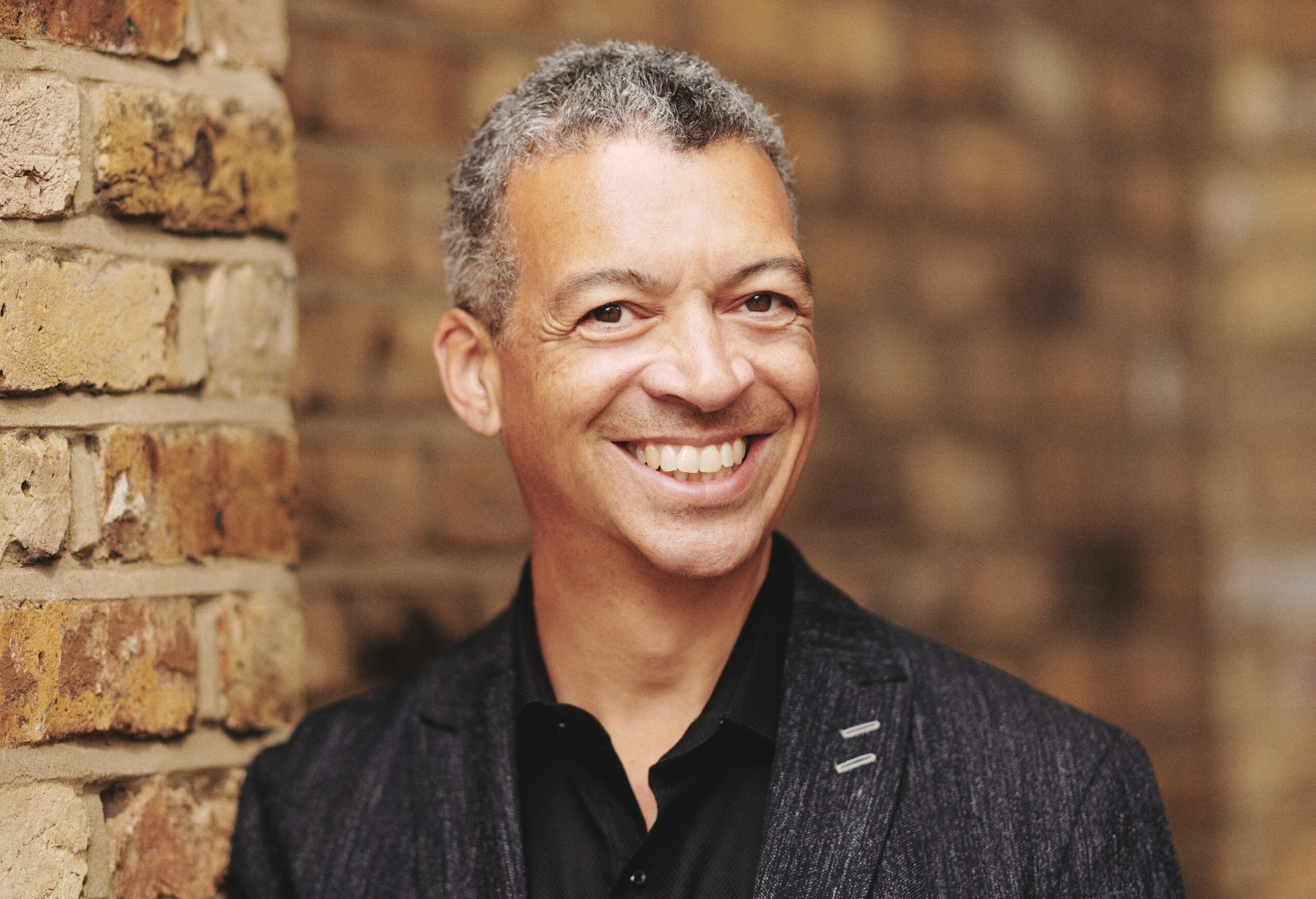
Music in the Round’s Singer-in-Residence Roderick Williams returns with a programme of heartrendingly beautiful English song, including Vaughan Williams’ glorious cycle Songs of Travel.
This musical voyage around our island home, performed by Roderick and pianist Christopher Glynn, two of the most charming and gifted musicians the country has produced, also includes a cosmically titled new commission from Freya Waley-Cohen inspired by the Exmoor landscape and its fairy-tale folklore.
Save 20% when you book for 10 or more Music in the Round Sheffield concerts in one transaction.
Save 10% when you book for 5 or more Music in the Round Sheffield concerts in one transaction. Find out more.
WALEY-COHEN Freya, The Moon, the Moss & the Mushrooms
From 1797-8 Dorothy and William Wordsworth joined Coleridge in the Quantocks, living in Alfoxden house. The three of them spent their evenings walking in the Quantocks and on Exmoor, and exchanging ideas and observations. Dorothy Wordsworth kept journals during this period, and her descriptions of the walks and the landscape feel spontaneous and unrehearsed, and yet phrases from her diaries show up word for word in both William Wordsworth and Coleridge’s poetry. Her description of the sky as a ‘black-blue vault’ showed up in both poets works at different times, and an entire passage from her diary – a description of the clouds parting to reveal the brightness of the moon among the stars, finds itself in William’s poem ‘A Night Piece’. The direction of flow of ideas is impossible to trace, as the three of them spent every evening discussing the landscape they saw around them, and so it’s natural that phrases that pleased them during their conversations would have landed both in diaries and in poems during the months they were spending together. As Coleridge is reported as saying, they were becoming ‘three persons and one soul’.
Setting a poem to music is an interpretation, a way of sharing with an audience what the words mean to you, and how you hear them. Where the three writers allowed themselves to play with phrases, passing them back and forth and putting them in different formations, I have allowed myself to join in, stripping poems down to what I hear as their essence, reconstructing them into my own versions by only allowing myself the words I feel are most pivotal and in some cases, honing in only on certain verses within the larger poems. A way of being in conversation with these three poets through the centuries.
The poems written while they were here and the walks they took around the area deepened their belief in the connection between humanity and nature, and through this, flickers of folklore appear. You can see this in Dorothy Wordsworth’s casual comment ‘Moss cups more proper than acorns for fairy goblets’ as well as Coleridge’s description of fairy music in The Eolian Harp. The latter is the one poem I’ve included that was written in a different part of Somerset, but which, to my mind, is connected to the ideas of the divine within nature that permeate their shared gazing up at the moon and down at the details of the moss as they walked amongst the fairy rings of mushrooms on Exmoor and the Quantocks.
Freya Waley-Cohen ©
“Williams proved the ideal guide to this repertoire, his phrasing, dramatic physicality and illuminating way with the text bringing fresh insights to old favourites… aided and abetted throughout by Christopher Glynn’s poised and poetic piano playing.”
The Guardian
“Roderick Williams is a national treasure. Acutely responsive to the sound and meaning of words, his approach to the English Romantic song repertoire is revelatory.”
BBC Music Magazine

Roderick Williams