JAZZ VOYAGE

Julian Joseph

Crucible Playhouse, Sheffield
Friday 18 September 2026, 7.30pm

Tickets:
£23
£14 UC, PIP & DLA
£5 Students & Under 35s

Book Tickets

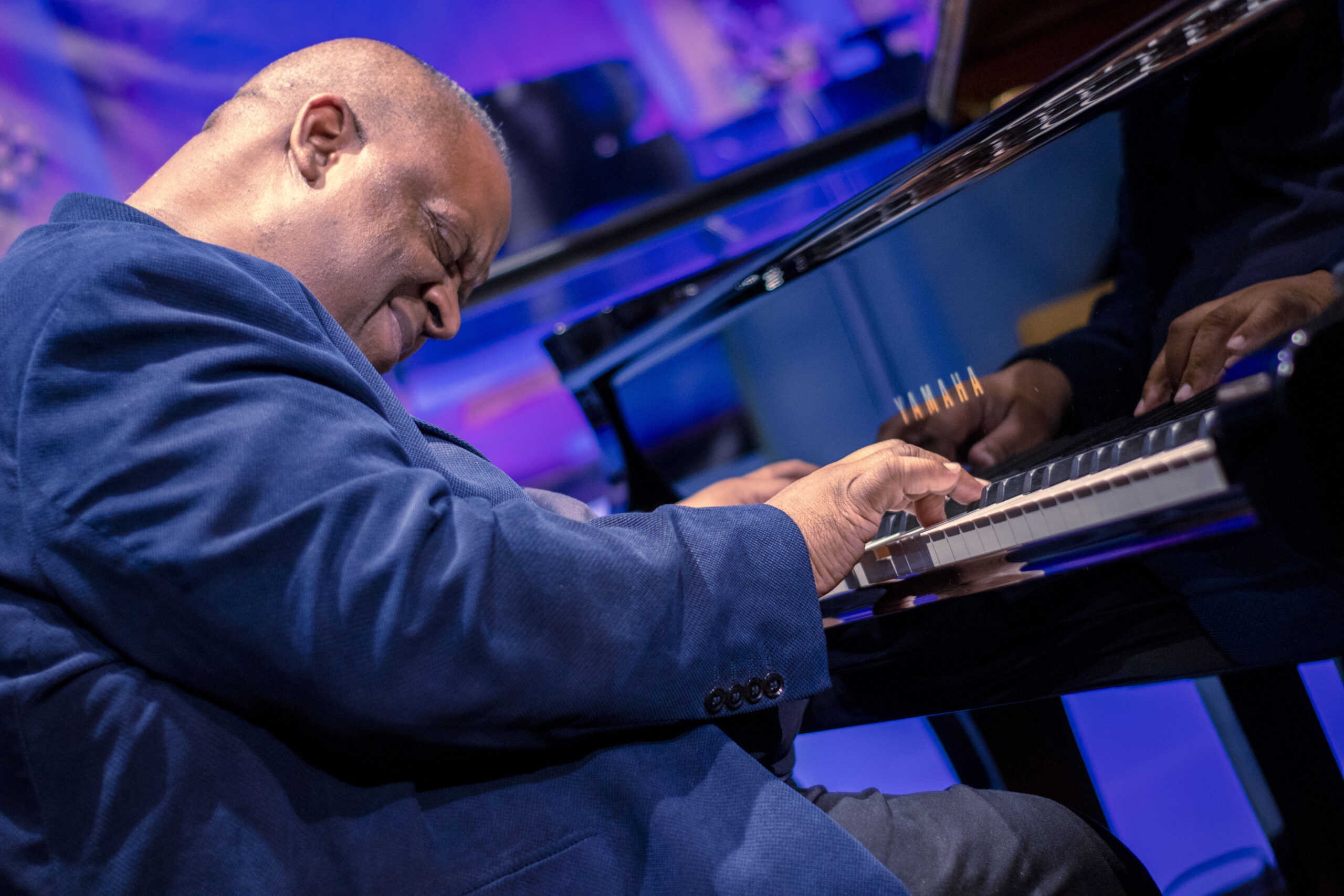
Virtuoso composer, pianist, improviser, broadcaster, Julian Joseph is a jazz polymath. 

Acclaimed by critics and audiences the world over, he returns to Sheffield to promote his first studio album in 29 years. Voyage of the Faithful, his long-awaited new release, combines original compositions with jazz standards. 

A mesmerizing performer of fluency and invention, Julian’s previous recitals in the Crucible have received rapt admiration from jazz aficionados and curious newcomers alike. This promises to be a stunning evening from one of the most influential and highly respected musicians in British jazz today.

In partnership with Sheffield Jazz

Save 20% when you book for 10 or more Music in the Round Sheffield concerts in one transaction.
Save 10% when you book for 5 or more Music in the Round Sheffield concerts in one transaction. Find out more.

A pianist who really does know how to shape a musical idea and make it more intense until you’re practically jumping out of your seat with excitement.  ”

Daily Telegraph

THE ENGLISH CONCERT: HARPSICHORD & STRINGS

The English Concert

Crucible Playhouse, Sheffield
Friday 18 September 2026, 2.00pm

Tickets:
£23
£14 UC, PIP & DLA
£5 Students & Under 35s

Book Tickets

HANDEL Sonata in G HWV 399 (14’)
TELEMANN Sonata in F TWV 44:11 (9’)
MUFFAT Sonata II in G minor from Armonico Tributo (13’)
WEICHLEIN Sonata VI in F from Encaenia Musices (9’)
BIBER Sonata III in D minor from Fidicinium Acro (5’)
MUFFAT Sonata V in G from Armonico Tributo (20’)

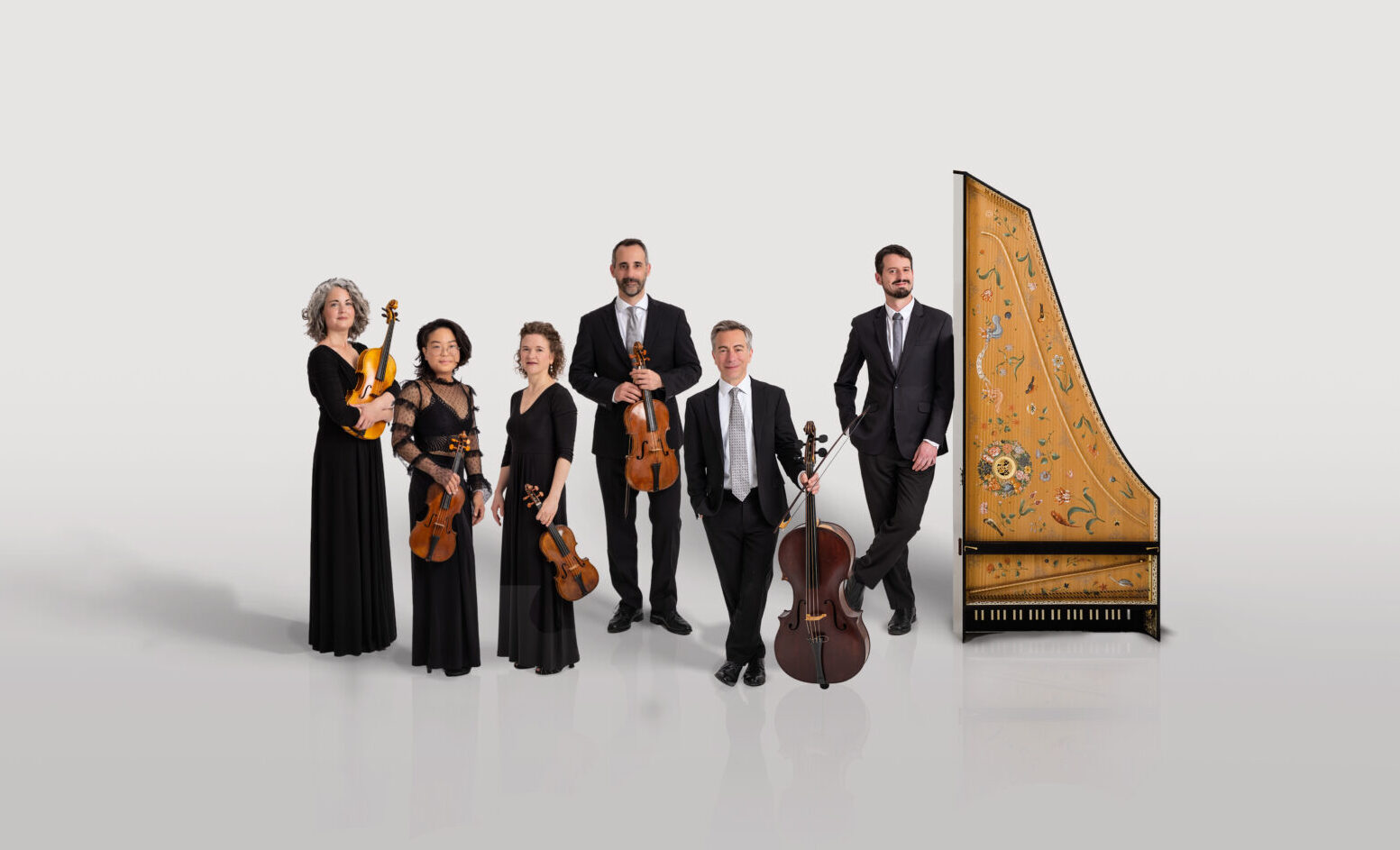
The English Concert “celebrities of the Baroque performance movement” (New York Classical Review) launch a celebration of the majestic High Baroque with Handel’s Sonata in G, a masterclass in grace and counterpoint. 

Widely considered to be among the most sensitive and rigorous interpreters of Baroque repertoire, this renowned ensemble continues the journey from Handel’s sonata and guides us through a vibrant, living tradition of music. From the cosmopolitan craft of Telemann to the fiery invention of Biber, and the staggering dexterity of Georg Muffat, discover the music of Handel’s world: intimate, stately and exquisitely beautiful.

Save 20% when you book for 10 or more Music in the Round Sheffield concerts in one transaction.
Save 10% when you book for 5 or more Music in the Round Sheffield concerts in one transaction. Find out more.

MOZART & FRIENDS

Ensemble 360

Crucible Playhouse, Sheffield
Tuesday 8 September 2026, 7.00pm

Tickets:
£23
£14 UC, PIP & DLA
£5 Students & Under 35s

Book Tickets

BOCCHERINI Oboe Quintet in D minor (10’)
MOZART Adagio for Glass Harmonica (5’)
BOLOGNE Sonata No.1 in B flat for 2 Violins  (10’)
HAYDN Flute Quartet No.1 in D (15’)
SÜSSMAYR Quintet for flute, oboe, violin, viola and cello in D (18’)
MOZART Quintet for glass harmonica, flute, oboe, viola and cello (15’) 

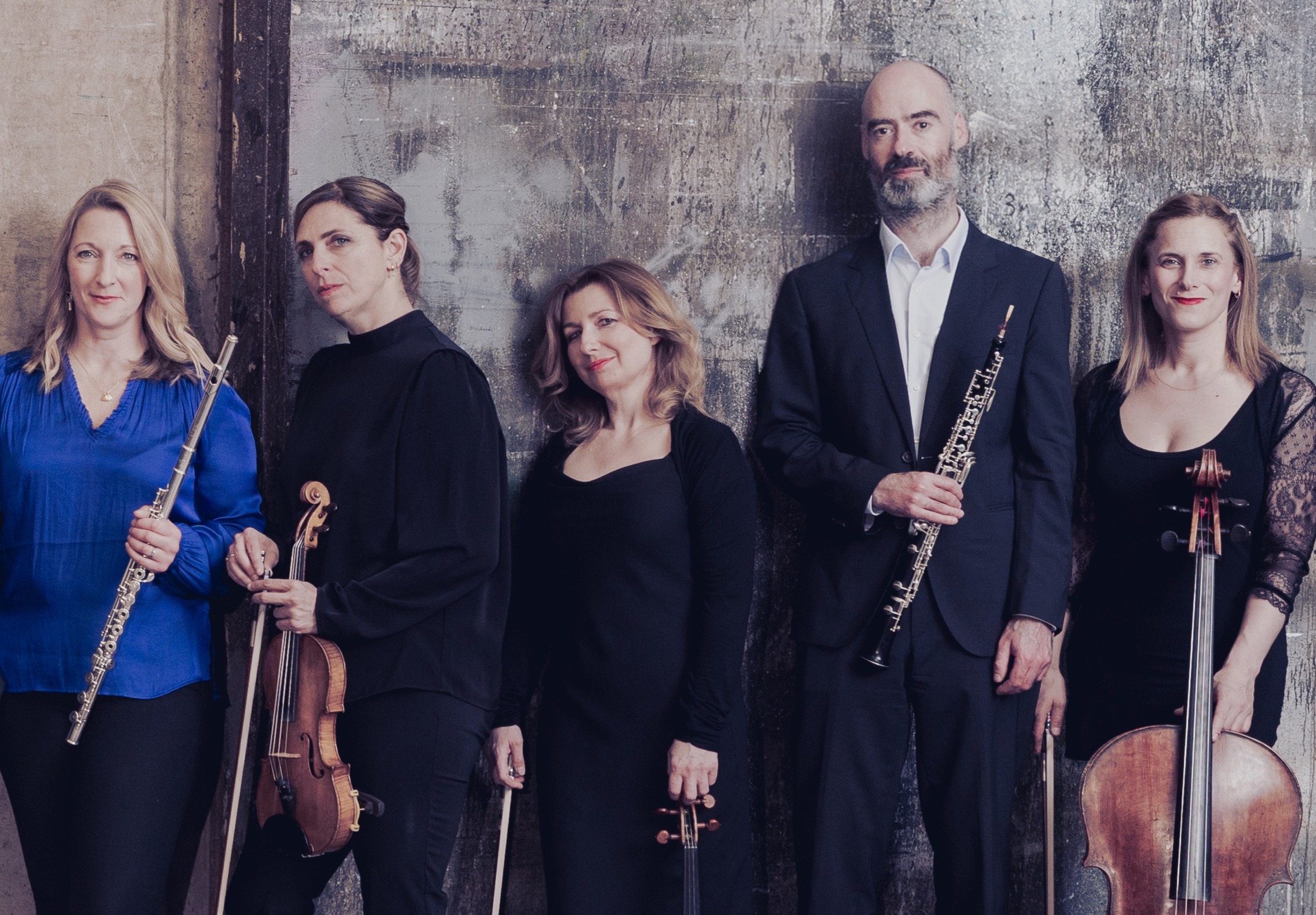
Celebrate Mozart and his lively circle of friends with Ensemble 360 in a delightful evening of music for winds and strings, including two works showcasing the unworldly sound of the glass harmonica. 

This remarkable instrument has an ethereal, angelic tone, which fascinated and inspired Mozart. Rarely-played today, the instrument was invented by Benjamin Franklin and was popular in the 18th century. Its sound is created by the player moistening their fingers with water and gently touching the glass bowls rotating on a horizontal spindle. 

Music from Mozart’s friends include a sonata full of wit, virtuosity, and graceful charm by Joseph Bologne, a swordsman and pioneering composer who was, briefly, Mozart’s neighbour in Paris; and a bright, elegant quintet by Franz Xaver Süssmayr, who famously completed Mozart’s unfinished Requiem following the composer’s death. 

Save 20% when you book for 10 or more Music in the Round Sheffield concerts in one transaction.
Save 10% when you book for 5 or more Music in the Round Sheffield concerts in one transaction. Find out more.

“Ensemble 360… renowned for its virtuoso performances, bold programming and engaging interpretations.”

The Guardian

RELAXED CONCERT: MOZART & FRIENDS

Ensemble 360

Crucible Playhouse, Sheffield
Tuesday 8 September 2026, 2.00pm

Tickets:
£5 / carers free

Book Tickets

MOZART Oboe Quartet (15’)
HAYDN Flute Quartet No.1 in D (15’)
MOZART Quintet for glass harmonica, flute, oboe, viola and cello (15’)

For this ‘Relaxed’ concert of music by Mozart and his friend, Joseph Haydn, doors will be left open, lights raised, a break-out space provided, and there will be less emphasis on the audience being quiet during the performance.  

People with an Autism Spectrum, sensory or communication disorder or learning disability, those with age-related impairments and parents/carers with babies are all especially welcome.

Save 20% when you book for 10 or more Music in the Round Sheffield concerts in one transaction.
Save 10% when you book for 5 or more Music in the Round Sheffield concerts in one transaction. Find out more.

“Lots of places say they’re accessible but aren’t. You’ve just done it right.”

Audience feedback, Relaxed Concert 2025

SOUNDS OF NOW: FELDMAN & HARRISON

GBSR Duo

Crucible Playhouse, Sheffield
Saturday 5 September 2026, 8.00pm

Tickets:
£17
£10 UC, PIP & DLA
£5 Students & Under 35s

Book Tickets

MONK FELDMAN Clear Edge (5’)
FELDMAN Dance Suite (For Merle Marsicano) (20’)
HARRISON Five Transfigurations and Seven Litanies (world premiere commissioned by Music in the Round) (75’)

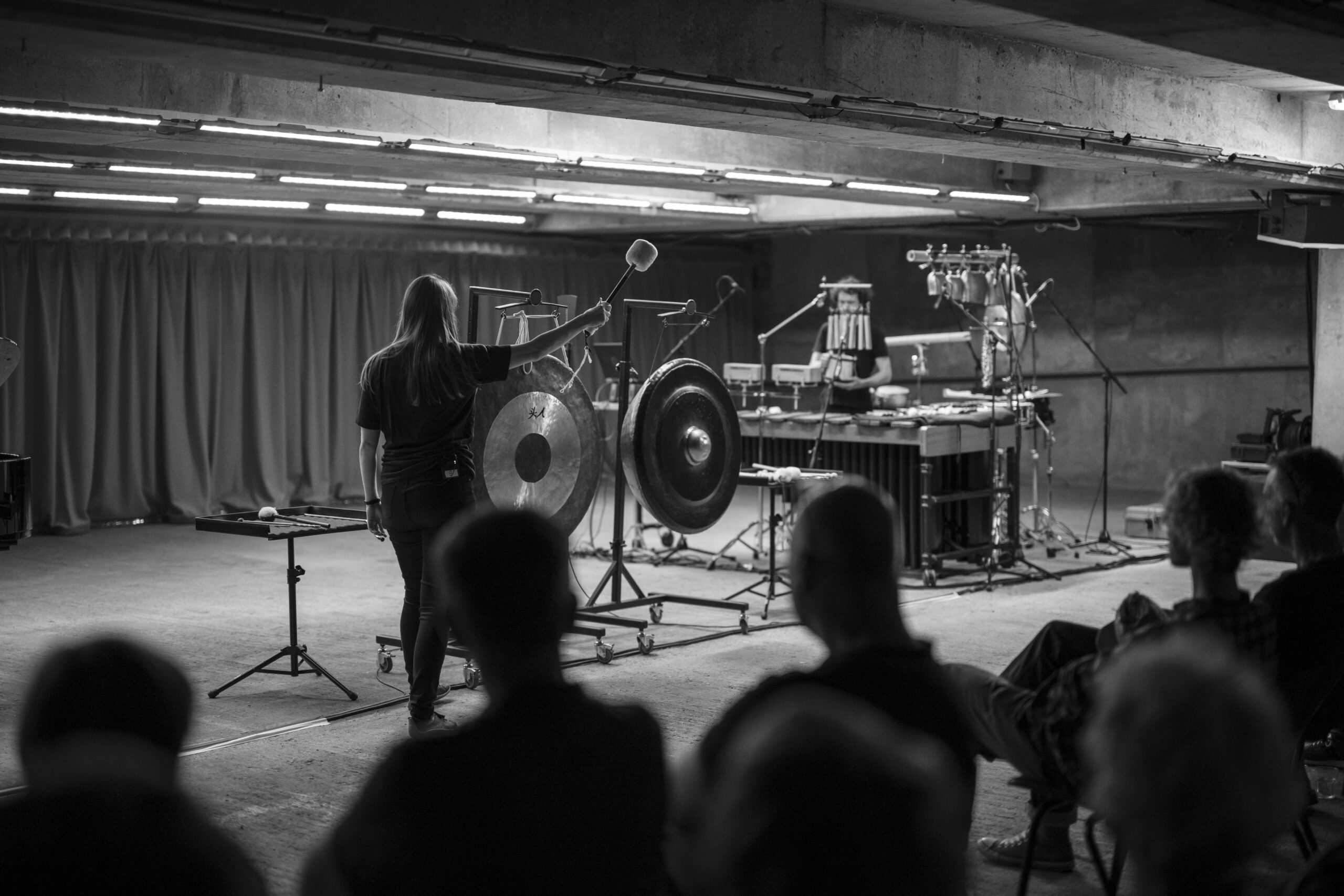
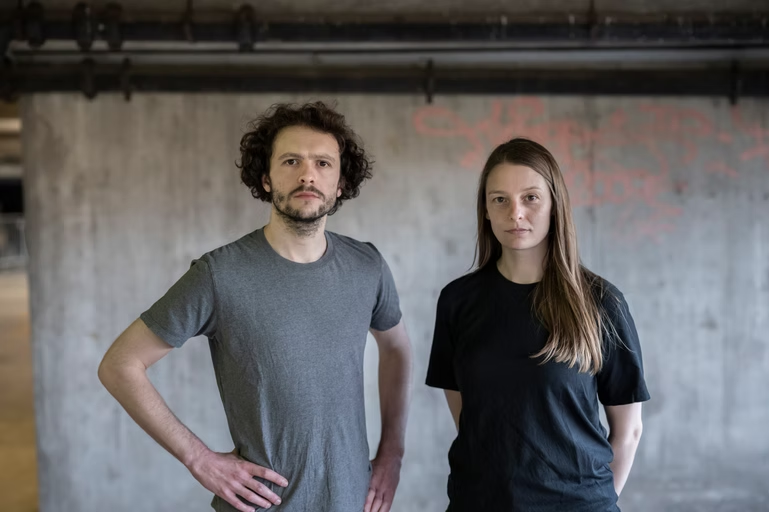
Known for bold, fearless programming, GBSR Duo is fast emerging as the leading interpreter of Morton Feldman’s music. Performances in London at the King’s Place, Barbican and Southbank Centre have received high praise from The Guardian: “the intense concentration of these performers and the delicately immersive sound world they created were utterly unforgettable”. Feldman’s rarely performed ‘Dance Suite’ features alongside a monumental new commission by Bryn Harrison, a leading British composer whose music has been described as “utterly compelling” (The Guardian).

With support from the Hinrichsen Foundation 

Save 20% when you book for 10 or more Music in the Round Sheffield concerts in one transaction.
Save 10% when you book for 5 or more Music in the Round Sheffield concerts in one transaction. Find out more.

“A wonderful, adventuresome, sensitive pair of musicians”

Kate Molleson, BBC Radio 3

PIANO CLASSICS

Sarah Beth Briggs

Crucible Playhouse, Sheffield
Saturday 5 September 2026, 2.00pm

Tickets:
£23
£14 UC, PIP & DLA
£5 Students & Under 35s

Book Tickets

BEETHOVEN Bagatelles Op.126 (15’)
C SCHUMANN 4 Pièces fugitives Op.15 (14’)
TAILLEFERRE Sicilienne (3’)
POULENC 3 Novelettes (7’)
R SCHUMANN Waldszenen Op.82 (20’)
BRAHMS Piano Pieces Op.119 (15’)

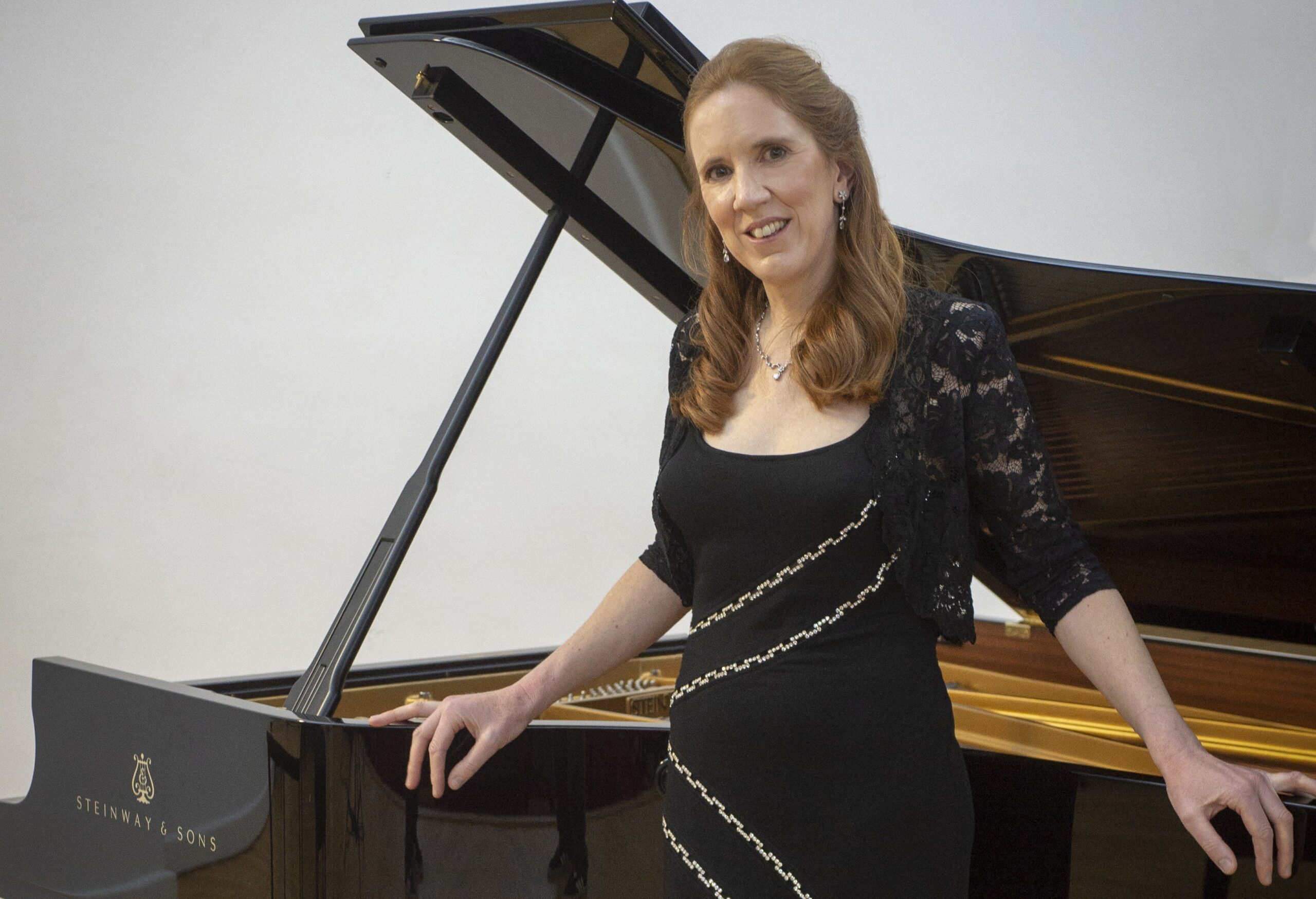
“An artist of extraordinary magnetism” (Daily Telegraph), Yorkshire pianist Sarah Beth Briggs has enjoyed a distinguished career both on stage and in the recording studio. She returns to the Crucible Playhouse for an afternoon of glittering piano favourites.

Among the highlights are works by R Schumann and Beethoven: Schumann’s evocative  Forest Scenes conjures a mysterious and haunting symbolic world, populated by hunters, lonely flowers and a watchful, prophetic bird; while Beethoven wrote of his lively Bagatelles that these were “quite the best pieces of their kind that I have written”.

Save 20% when you book for 10 or more Music in the Round Sheffield concerts in one transaction.
Save 10% when you book for 5 or more Music in the Round Sheffield concerts in one transaction. Find out more.

CHARLIE CHAPLIN: THE GOLD RUSH

Ensemble 360 & George Morton

Crucible Theatre, Sheffield
Monday 19 October 2026, 7.15pm

Tickets:
£23
£14 UC, PIP & DLA
£5 Students & Under 35s

Book Tickets

Silent film with live music
CHAPLIN (arr. Timothy Brock) The Gold Rush (85’)

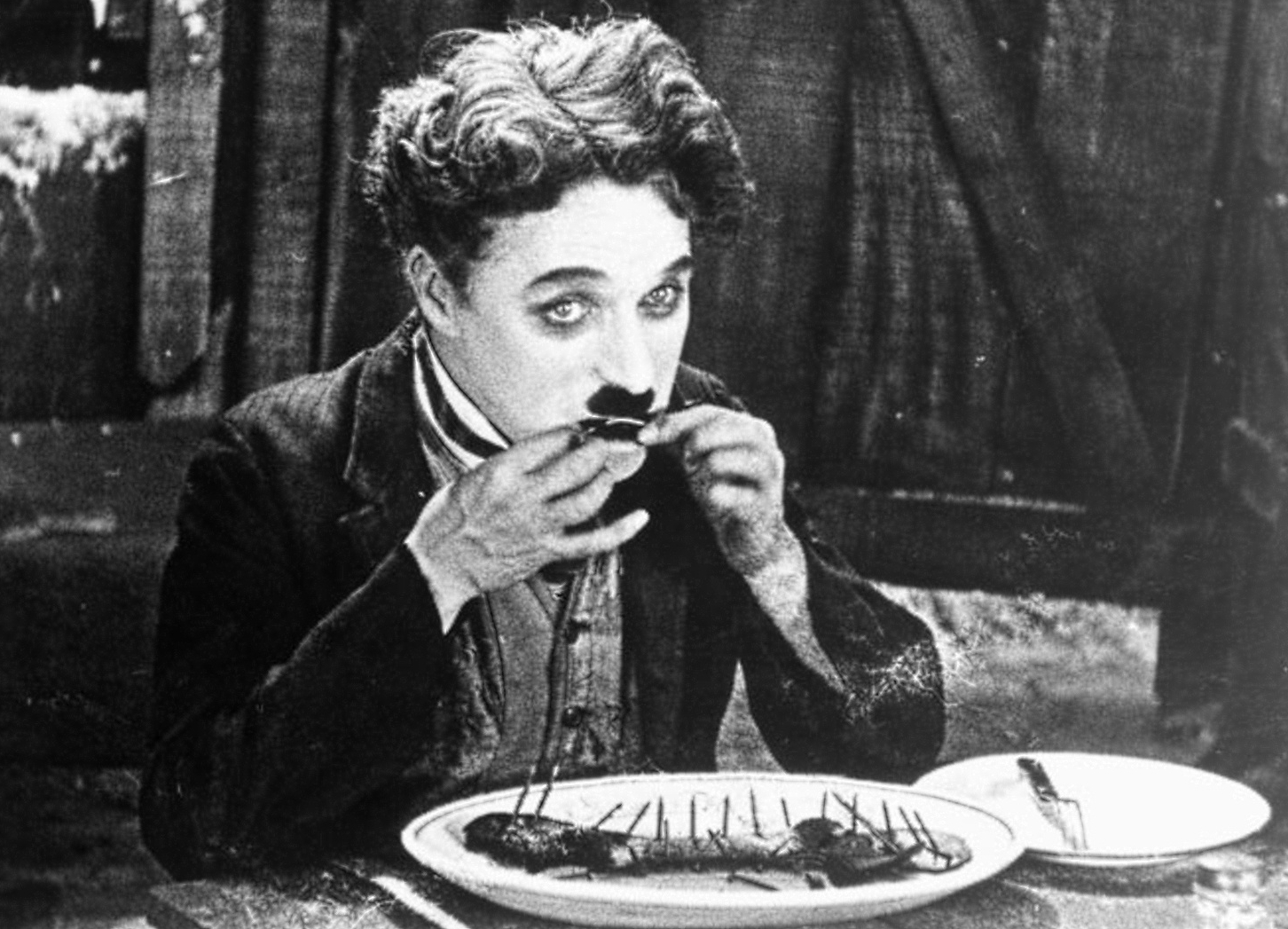
Charlie Chaplin’s most ambitious and successful silent comedy is presented in a gorgeous restoration with Chaplin’s own Academy Award-nominated score performed live by Ensemble 360 and friends, conducted by George Morton.

The Gold Rush follows two hapless prospectors in search of fortune during the Klondike gold rush. It features everything that made Chaplin’s name across the globe: acrobatic slapstick, poignant romance, high-octane dance and dazzling stunts. The iconic film combines riotous comedy and piercing social insight as Chaplin’s most celebrated on-screen character “the little tramp” walks the tightrope between humour and tragedy.

Packed with some of the most memorable moments from Chaplin’s films, including a dancing dinner rolls routine and a meal of a boiled shoe, combined with unprecedented technical marvels such as a cabin teetering on a cliff edge, this timeless classic was, in Chaplin’s own words, “the picture that I want to be remembered by”.

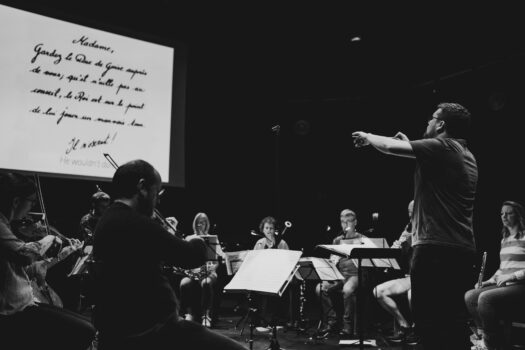
Following two previous sold-out concerts featuring live music with silent film, Saint Saëns’ L’assasinat de duc de Guise (1908) and Edmund Meisel’s Battleship Potemkin (1925), Ensemble 360 and George Morton return for their most ambitious and large-scale collaboration yet.

Save 20% when you book for 10 or more Music in the Round Sheffield concerts in one transaction.
Save 10% when you book for 5 or more Music in the Round Sheffield concerts in one transaction. Find out more.

A delightful blend of slapstick humour, poignant emotion and social commentary

Rotten Tomatoes, 98%

STORYBOOK CONCERT: THE STORM WHALE

Ensemble 360

Chelmsford Theatre Studio, Chelmsford
Tuesday 2 June 2026, 11.00am / 1.30pm

Tickets
from £8.00

Book Tickets

A brand-new storybook concert, based on the modern classic book series by Benji Davies.

The Storm Whale tells the story of a child, and a whale washed up on the beach,  and friendships that will change their lives forever and echo down the generations. These heart-warming tales of friendship, love and courage are brought to life through music specially written to accompany the book by our Children’s Composer-in-Residence, Paul Rissmann.  

Perfect for 3 to 7 year-olds, this illustrated and narrated storybook concert is brought to life by Music in the Round, the producers of previous popular storybook concerts Izzy GimzoGiddy Goat and Sir Scallywag. It is a wonderful introduction to a live concert experience, brimming with wonderful music, memorable songs, images from the book and plenty of chances to join in.

The Storm Whale tells a simple but powerful story about loneliness and the love between a parent and child… The world may be as big and lonely and incomprehensible as the ocean, but still it’s possible to find tremendous, heart-stopping tenderness.” The New York Times on the book

With many thanks to all our funders, including:

The Sarah Nulty Power of Music Foundation, The JG Graves Charitable Trust, Sheffield Town Trust and Wise Music Foundation

“The musicians did a wonderful job of introducing the young audience to enjoyment of the theatre, live music and engaging story-telling. Proof of their success [were] the lines of excited children coming up to meet the musicians who had gathered in the foyer with their instruments.”

The Yorkshire Post (on a previous Music in the Round storybook concert)

FAMILY CONCERT: THE STORM WHALE

Ensemble 360

The Place, Bedford
Tuesday 26 May 2026, 1.30pm

Tickets
from £8.00

Book Tickets

A brand-new storybook concert, based on the modern classic book series by Benji Davies.

The Storm Whale tells the story of a child, and a whale washed up on the beach,  and friendships that will change their lives forever and echo down the generations. These heart-warming tales of friendship, love and courage are brought to life through music specially written to accompany the book by our Children’s Composer-in-Residence, Paul Rissmann.  

Perfect for 3 to 7 year-olds and their families, this illustrated and narrated storybook concert is brought to Cast with Music in the Round, the producers of previous popular family concerts Izzy GimzoGiddy Goat and Sir Scallywag. It is a wonderful introduction to a live concert experience, brimming with wonderful music, memorable songs, images from the book and plenty of chances to join in.

The Storm Whale tells a simple but powerful story about loneliness and the love between a parent and child… The world may be as big and lonely and incomprehensible as the ocean, but still it’s possible to find tremendous, heart-stopping tenderness.” The New York Times on the book

With many thanks to all our funders, including:

The Sarah Nulty Power of Music Foundation, The JG Graves Charitable Trust, Sheffield Town Trust and Wise Music Foundation

“The musicians did a wonderful job of introducing the young audience to enjoyment of the theatre, live music and engaging story-telling. Proof of their success [were] the lines of excited children coming up to meet the musicians who had gathered in the foyer with their instruments.”

The Yorkshire Post (on a previous Music in the Round storybook concert)

GOLDBERG VARIATIONS

Ensemble 360

Junction, Goole
Thursday 23 April 2026, 7.00pm
Past Event
Ensemble 360 string trio musicians

BACH Cello Suite No. 1 in G (19′)
MOZART String Duo No. 1 for Violin and Viola in G (16′)
BACH Goldberg Variations for String Trio (60′)

Bach’s hugely popular ‘Goldberg Variations’ are performed in a breath-taking conversational arrangement for violin, viola and cello, presented together with one of the best-loved works for solo cello, Bach’s Cello Suite No.1.

BACH Johann Sebastian, Cello Suite No.1 in G

Prélude
Allemande
Courante
Sarabande
Menuett I
Menuett II
Gigue

Bach’s Cello Suites were probably composed in about 1720 during Bach’s time in Cöthen. It isn’t known for whom Bach wrote them, though there are at least two likely candidates working in Cöthen at the time: Christian Ferdinand Abel (1682–1761), a great friend of the composer for whom Bach wrote the three sonatas for viola da gamba and harpsichord (BWV 1027–9) and Carl Berhard Lienicke (d. 1751), the leading cellist of the Cöthen orchestra. Whether either of them was the player Bach had in mind is a matter of pure speculation since no documentary evidence has come to light. Equally uncertain is why Bach wrote them. The likeliest explanation is that they were intended – like much of his keyboard music – for private performance. Bach sets the tone of the First Suite with a Prelude made of undulating arpeggios. The Allemande meanders purposefully until it arrives at a strong final cadence in the home key. Downward leaps and rather playful decorations characterize the Courante. Using multiple stopping, the Sarabande is noble and understated. It is in two sections; the first ends on D (the dominant) and the second moves to E minor before returning to the tonic, G. The pair of graceful Minuets contrast major and minor and both are marked by flowing movement. The Gigue brings the suite to a joyful conclusion.


Nigel Simeone 2018 © 

MOZART Wolfgang Amadeus, String Duo No.1 for Violin and Viola in G

Allegro
Adagio
Rondeau. Allegro 

String Duo No.1 for G major and its companion String Duo No.2 in B-flat major were not originally credited as being Mozart’s works. In 1783, Mozart’s friend Michael Haydn – a fellow composer and younger brother of Joseph Haydn – had been tasked with writing six duos for the Prince-Archbishop Colloredo, who employed both Michael Haydn and Mozart. Haydn fell ill before he could complete all six of them, and as a favour to his friend, Mozart completed the set with String Duos No.1 and No.2. Colloredo was none the wiser that two of the pieces hadn’t been written by Haydn, and it wasn’t until a subsequent newspaper advertisement went out that anyone realised Mozart was responsible for them. 

String Duo No.1 differs significantly from its counterpart due to the fact the viola has a much more complex and conversational role, as opposed to being just an accompaniment for the violin. The first movement of the duo is an Allegro, containing an expressive conversation between the two instruments. Each theme is passed back and forth, extending the development section until it almost runs away with itself before impressively reigning itself in for a comparatively subdued ending. The Adagio in contrast is extremely peaceful, with the melody and the harmonic support tenderly balancing each other out. The final Rondeau returns with the vigour of the opening movement, rounding off the lyrical conversation with vitality and Mozart’s trademark wit. 

BACH Johann Sebastian, Goldberg Variations (arranged for String Trio by Dmitri Sitkovetsky)

Bach originally wrote the Goldberg Variations for harpsichord, and this was one of the very few works published during the composer’s lifetime, by the firm of Baltasar Schmid at Nuremberg in 1741. The original title page describes the work as ‘Clavier-Übung [Keyboard Practice], consisting of an Aria, with diverse variations for harpsichord with two manuals, prepared to delight the souls of music-lovers by Johann Sebastian Bach.’ There was no irony here: Bach, as a devout Lutheran, was deeply conscious of the spiritual dimension of music, and its aspiration to enrich the soul as well as to divert and entertain. But the work was also an extraordinary feat: if we count each prelude and fugue of the Well-Tempered Clavier as self-contained pairs of works, then the Goldberg Variations is by far the largest piece of keyboard music published in the eighteenth century and it attracted international attention early on. Bach is often thought of as a composer whose music was rediscovered only in the nineteenth century (thanks in large part to Mendelssohn and Schumann), but his keyboard music was the exception to this. In his pioneering General History of the Science and Practice of Music published in 1776, Sir John Hawkins devotes several pages to Bach, thanking Johann Christian Bach (then in London) for supplying some of the information. But he then goes on to quote three full pages of music examples comprising the Aria (‘Air’), Variation 9 and Variation 10 from the Goldberg Variations, making this one of the first pieces of Bach to appear in print in England.

But where is Goldberg in all this, and who was he? In 1741, Bach stayed with Count Keyserlingk in Dresden, who employed a young musician called Johann Gottlieb Goldberg. According to Johann Nikolaus Forkel in his 1802 biography of Bach, the story goes as follows: ‘The Count was often unwell and had sleepless nights. On these occasions, Goldberg had to spend the night in an adjoining room so that he could play something to him during this sleeplessness. The Count remarked to Bach that he would like to have a few pieces for his musician Goldberg, pieces so gentle and somewhat merry that the Count could be cheered up by them during his sleepless nights. Bach thought he could best fulfil this wish with some variations … The Count henceforth referred to them only as his variations. He could not get enough of them, and for a long time, whenever sleepless nights came, he would say, Dear Goldberg, do play me one of my variations. Bach was perhaps never rewarded so well for one of his compositions. The Count bestowed on him a gold beaker filled with one hundred Louis d’or.’

It’s a fine tale – and the source for the famous legend of these variations as a cure for insomnia – but it’s mostly fictitious. As Peter Williams has demonstrated, Goldberg was only born in 1727 (and was thus in his early teens at the time of Bach’s visit to Keyserlingk), so it’s wildly improbable that Bach wrote the variations for him to play. Moreover, they had actually been published before Bach’s visit to Dresden, so the chances are that he presented the Count with a

copy having been asked about the possibility of composing some suitable music. This also explains the absence of either the Count’s name or Goldberg’s on the title page of the first edition of the score – and the presence of the Aria in Anna Magdalena’s Notebook, most of which was compiled years earlier. Williams has also speculated that the player Bach most probably had in mind for the variations was his son Wilhelm Friedmann, a brilliant performer and who had worked as organist of the Sophienkirche in Dresden since 1733.

The variations constitute a virtual encyclopaedia of what was possible in terms of imaginative harpsichord writing, and is even more remarkable for Bach’s brilliant manipulation of the theme. As a master of transcribing his own music for different instrumental combinations, the arrangement of the Goldberg Variations for string trio is an idea that would surely have appealed to Bach. Just as Mozart arranged some of the keyboard fugues for string quartet, and others have arranged The Art of Fugue for the same forces, so Sitkovetsky has taken up the challenge of re-thinking Bach’s music for entirely different instruments – as Bach himself had done not only with his own music but also with other composers such as Vivaldi. This arrangement was made in 1985 to celebrate the 300th anniversary of Bach’s birth, and it is dedicated to the memory of Glenn Gould, whose astonishing 1955 recording of the Goldberg Variations became an instant bestseller and introduced a whole generation to this extraordinary music.

Nigel Simeone © 2010

CHRIS ADDISON’S INCOMPLETE GUIDE TO CHAMBER MUSIC

Chris Addison & Ensemble 360

Cast, Doncaster
Wednesday 22 April 2026, 7.30pm

Tickets:
£7.50 to £22.50

Past Event

“It’ll be a really fun show with some of the most insanely talented musicians playing some of the best music ever written… All you have to know is – do you like a good tune? Because we’re going to be playing a ton of those.” Chris Addison

Chris Addison (The Thick of It, Mock the Week) joins Ensemble 360 to bring his infectious enthusiasm for classical music to Doncaster.

Telling the story of Europe from the courts of 17th century Italy, through the political and social revolutions of 18th and 19th century Europe, to the weird and wonderful sounds conjured by today’s contemporary composers, Chris takes us on a journey through the rich, vibrant – and sometimes bizarre – history of classical chamber music.  

Discover how a bassoonist beat up Bach, Mozart’s passion for the newly-invented clarinet (and for crude poetry), Beethoven’s embattled relationship with his failing hearing and the Emperor of France, and how Schoenberg tore up the musical rule book in a continent ravaged by war. Featuring live performances from some of the UK’s finest musicians and the inimitable curiosity and wit of Chris Addison’s storytelling, this will be an evening of insight, laughter and spine-tingling music. 

Programme includes excerpts from:
CORELLI Trio Sonata da Camera Op.2 No.1 in D
STROZZI (arr. Birchall) Che si può fare Op.8
JS BACH Prelude from Cello Suite No.1 in G
CPE BACH Flute concerto in D minor
HAYDN String Quartet Op.76 No. 3 ‘Emperor’
MOZART Trio for Piano, Clarinet and Viola K.498 ‘Kegelstatt’
BEETHOVEN Serenade for flute, violin and viola Op.25
CHOPIN Nocturne No.20 in C sharp minor
DEBUSSY Syrinx
S. COLERIDGE-TAYLOR Clarinet Quintet
SMYTH Piano Trio in D minor
SHOSTAKOVICH String Quartet No.8 in C minor Op.110
SCHOENBERG Suite for Piano Op.25
REICH New York Counterpoint
MEREDITH Tuggemo


“Perfect for someone like me who knows next to zero about classical music but [Chris] put people at ease, made us laugh and I loved the interaction with the musicians too who were bloody awesome!”

Audience comment

“I absolutely loved Chris Addison’s enthusiasm and knowledge. A history and music class rolled into one with beautiful performances from all the musicians… I left feeling elated and could have listened for hours!”

Audience comment

CHRIS ADDISON’S INCOMPLETE GUIDE TO CHAMBER MUSIC

Chris Addison & Ensemble 360

The Stables, Milton Keynes
Thursday 7 May 2026, 8.00pm

Tickets:
£16.50 – £27.50

Book Tickets

“It’ll be a really fun show with some of the most insanely talented musicians playing some of the best music ever written… All you have to know is – do you like a good tune? Because we’re going to be playing a ton of those.” Chris Addison

Chris Addison (The Thick of It, Mock the Week) joins Ensemble 360 to bring his infectious enthusiasm for classical music to The Stables, Milton Keynes.  

Telling the story of Europe from the courts of 17th century Italy, through the political and social revolutions of 18th and 19th century Europe, to the weird and wonderful sounds conjured by today’s contemporary composers, Chris takes us on a journey through the rich, vibrant – and sometimes bizarre – history of classical chamber music.  

Discover how a bassoonist beat up Bach, Mozart’s passion for the newly-invented clarinet (and for crude poetry), Beethoven’s embattled relationship with his failing hearing and the Emperor of France, and how Schoenberg tore up the musical rule book in a continent ravaged by war. Featuring live performances from some of the UK’s finest musicians and the inimitable curiosity and wit of Chris Addison’s storytelling, this will be an evening of insight, laughter and spine-tingling music. 

Programme includes excerpts from:
CORELLI Trio Sonata da Camera Op.2 No.1 in D
STROZZI (arr. Birchall) Che si può fare Op.8
JS BACH Prelude from Cello Suite No.1 in G
CPE BACH Flute concerto in D minor
HAYDN String Quartet Op.76 No. 3 ‘Emperor’
MOZART Trio for Piano, Clarinet and Viola K.498 ‘Kegelstatt’
BEETHOVEN Serenade for flute, violin and viola Op.25
CHOPIN Nocturne No.20 in C sharp minor
DEBUSSY Syrinx
S. COLERIDGE-TAYLOR Clarinet Quintet
SMYTH Piano Trio in D minor
SHOSTAKOVICH String Quartet No.8 in C minor Op.110
SCHOENBERG Suite for Piano Op.25
REICH New York Counterpoint
MEREDITH Tuggemo


“Perfect for someone like me who knows next to zero about classical music but [Chris] put people at ease, made us laugh and I loved the interaction with the musicians too who were bloody awesome!”

Audience comment

“I absolutely loved Chris Addison’s enthusiasm and knowledge. A history and music class rolled into one with beautiful performances from all the musicians… I left feeling elated and could have listened for hours!”

Audience comment