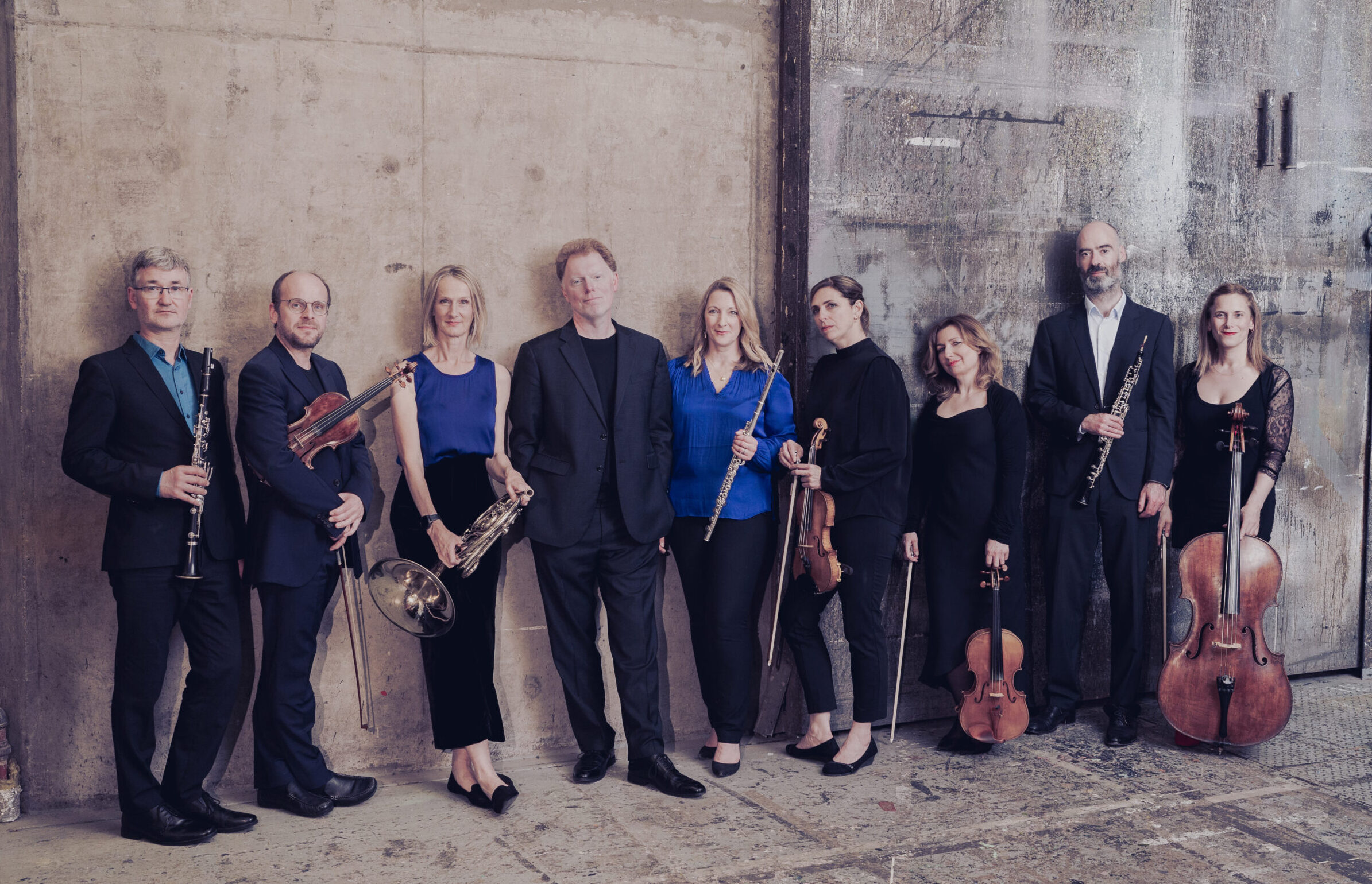
THE ENGLISH CONCERT: HARPSICHORD & STRINGS

The English Concert

Crucible Playhouse, Sheffield
Friday 18 September 2026, 2.00pm

Tickets:
£23
£14 UC, PIP & DLA
£5 Students & Under 35s

Book Tickets

HANDEL Sonata in G HWV 399 (14’)
TELEMANN Sonata in F TWV 44:11 (9’)
MUFFAT Sonata II in G minor from Armonico Tributo (13’)
WEICHLEIN Sonata VI in F from Encaenia Musices (9’)
BIBER Sonata III in D minor from Fidicinium Acro (5’)
MUFFAT Sonata V in G from Armonico Tributo (20’)

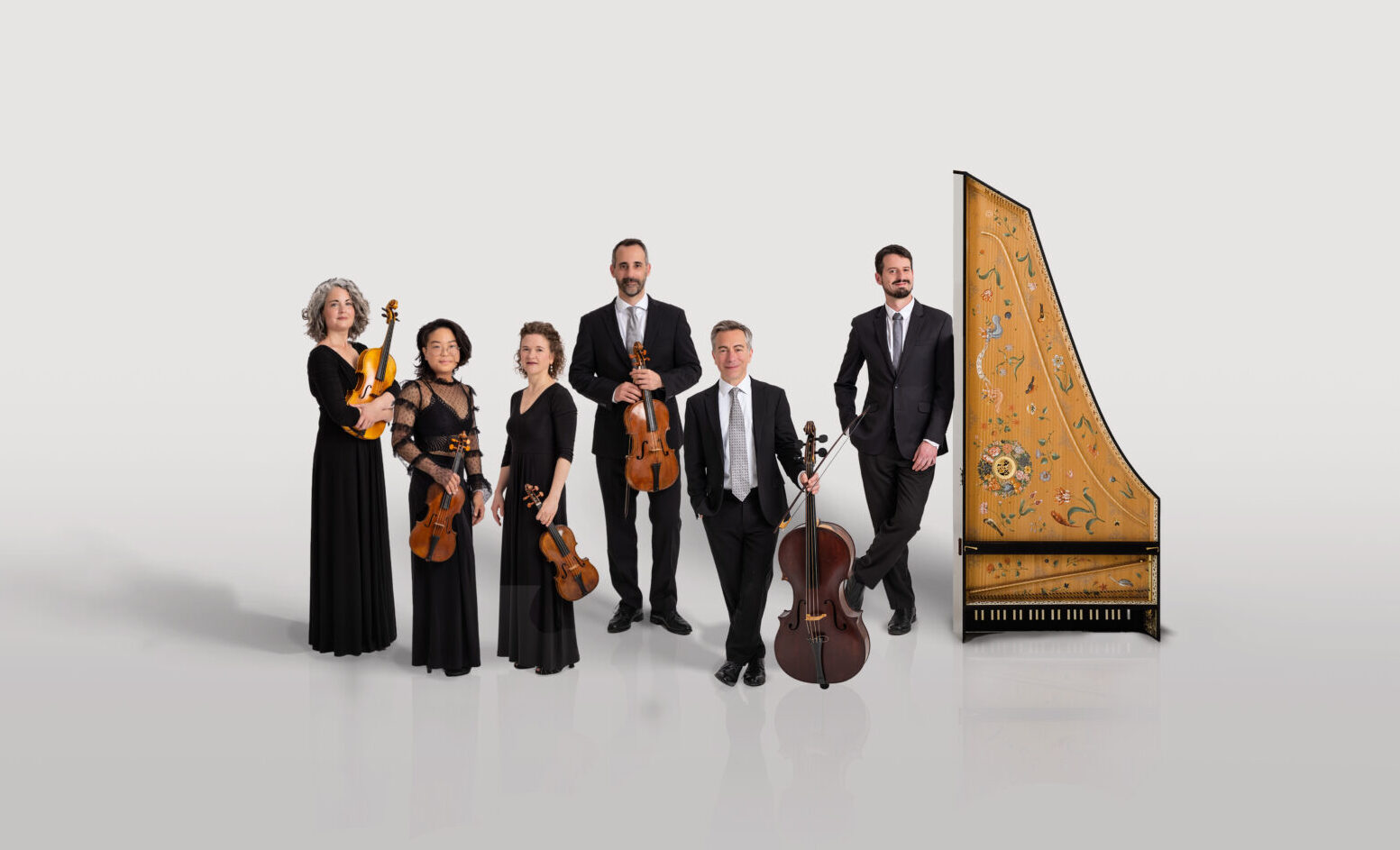
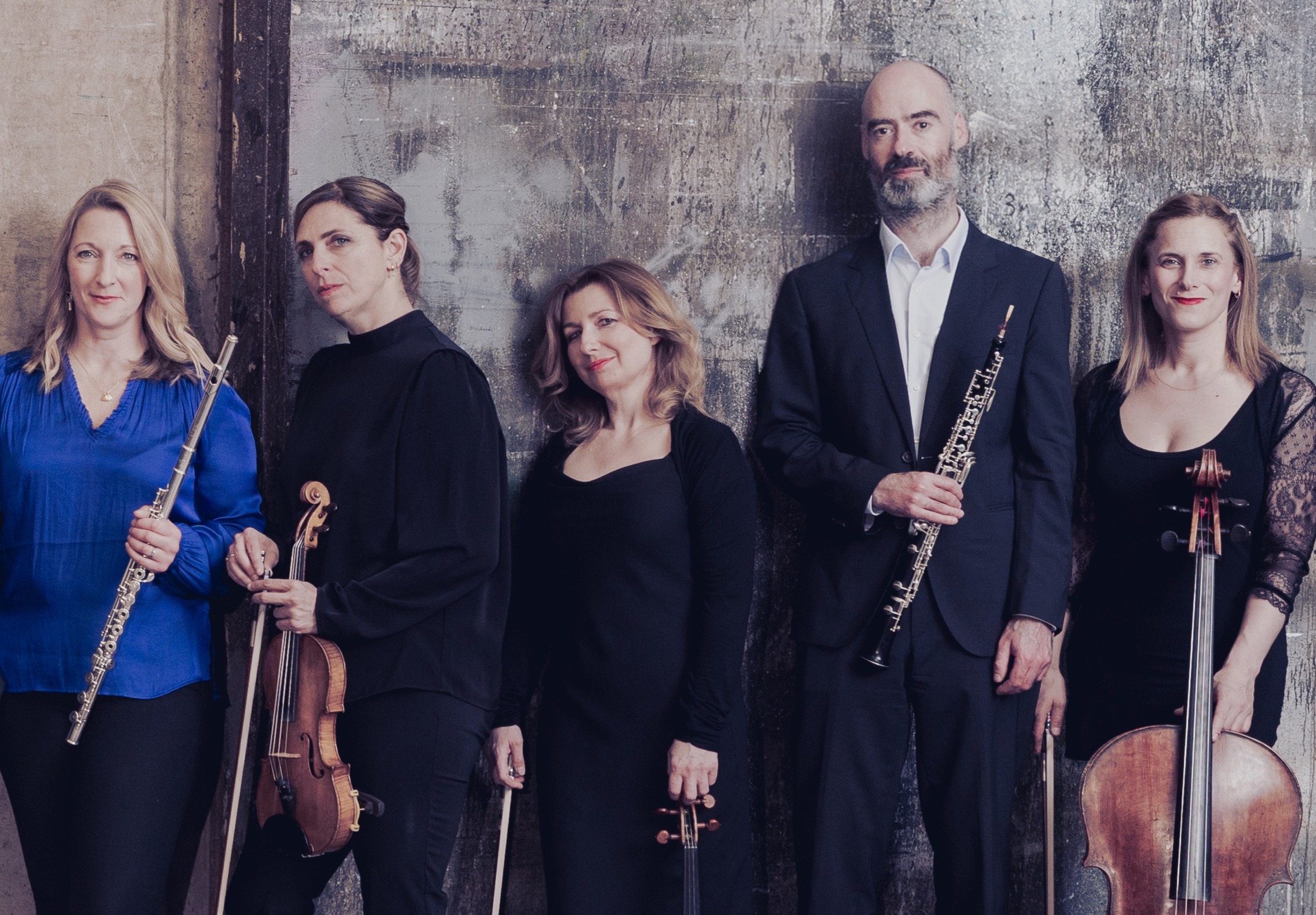
The English Concert “celebrities of the Baroque performance movement” (New York Classical Review) launch a celebration of the majestic High Baroque with Handel’s Sonata in G, a masterclass in grace and counterpoint. 

Widely considered to be among the most sensitive and rigorous interpreters of Baroque repertoire, this renowned ensemble continues the journey from Handel’s sonata and guides us through a vibrant, living tradition of music. From the cosmopolitan craft of Telemann to the fiery invention of Biber, and the staggering dexterity of Georg Muffat, discover the music of Handel’s world: intimate, stately and exquisitely beautiful.

Save 20% when you book for 10 or more Music in the Round Sheffield concerts in one transaction.
Save 10% when you book for 5 or more Music in the Round Sheffield concerts in one transaction. Find out more.

MOZART & FRIENDS

Ensemble 360

Crucible Playhouse, Sheffield
Tuesday 8 September 2026, 7.00pm

Tickets:
£23
£14 UC, PIP & DLA
£5 Students & Under 35s

Book Tickets

BOCCHERINI Oboe Quintet in D minor (10’)
MOZART Adagio for Glass Harmonica (5’)
BOLOGNE Sonata No.1 in B flat for 2 Violins  (10’)
HAYDN Flute Quartet No.1 in D (15’)
SÜSSMAYR Quintet for flute, oboe, violin, viola and cello in D (18’)
MOZART Quintet for glass harmonica, flute, oboe, viola and cello (15’) 

Celebrate Mozart and his lively circle of friends with Ensemble 360 in a delightful evening of music for winds and strings, including two works showcasing the unworldly sound of the glass harmonica. 

This remarkable instrument has an ethereal, angelic tone, which fascinated and inspired Mozart. Rarely-played today, the instrument was invented by Benjamin Franklin and was popular in the 18th century. Its sound is created by the player moistening their fingers with water and gently touching the glass bowls rotating on a horizontal spindle. 

Music from Mozart’s friends include a sonata full of wit, virtuosity, and graceful charm by Joseph Bologne, a swordsman and pioneering composer who was, briefly, Mozart’s neighbour in Paris; and a bright, elegant quintet by Franz Xaver Süssmayr, who famously completed Mozart’s unfinished Requiem following the composer’s death. 

Save 20% when you book for 10 or more Music in the Round Sheffield concerts in one transaction.
Save 10% when you book for 5 or more Music in the Round Sheffield concerts in one transaction. Find out more.

“Ensemble 360… renowned for its virtuoso performances, bold programming and engaging interpretations.”

The Guardian

RELAXED CONCERT: MOZART & FRIENDS

Ensemble 360

Crucible Playhouse, Sheffield
Tuesday 8 September 2026, 2.00pm

Tickets:
£5 / carers free

Book Tickets

MOZART Oboe Quartet (15’)
HAYDN Flute Quartet No.1 in D (15’)
MOZART Quintet for glass harmonica, flute, oboe, viola and cello (15’)

For this ‘Relaxed’ concert of music by Mozart and his friend, Joseph Haydn, doors will be left open, lights raised, a break-out space provided, and there will be less emphasis on the audience being quiet during the performance.  

People with an Autism Spectrum, sensory or communication disorder or learning disability, those with age-related impairments and parents/carers with babies are all especially welcome.

Save 20% when you book for 10 or more Music in the Round Sheffield concerts in one transaction.
Save 10% when you book for 5 or more Music in the Round Sheffield concerts in one transaction. Find out more.

“Lots of places say they’re accessible but aren’t. You’ve just done it right.”

Audience feedback, Relaxed Concert 2025

SOUNDS OF NOW: FELDMAN & HARRISON

GBSR Duo

Crucible Playhouse, Sheffield
Saturday 5 September 2026, 8.00pm

Tickets:
£17
£10 UC, PIP & DLA
£5 Students & Under 35s

Book Tickets

MONK FELDMAN Clear Edge (5’)
FELDMAN Dance Suite (For Merle Marsicano) (20’)
HARRISON Five Transfigurations and Seven Litanies (world premiere commissioned by Music in the Round) (75’)

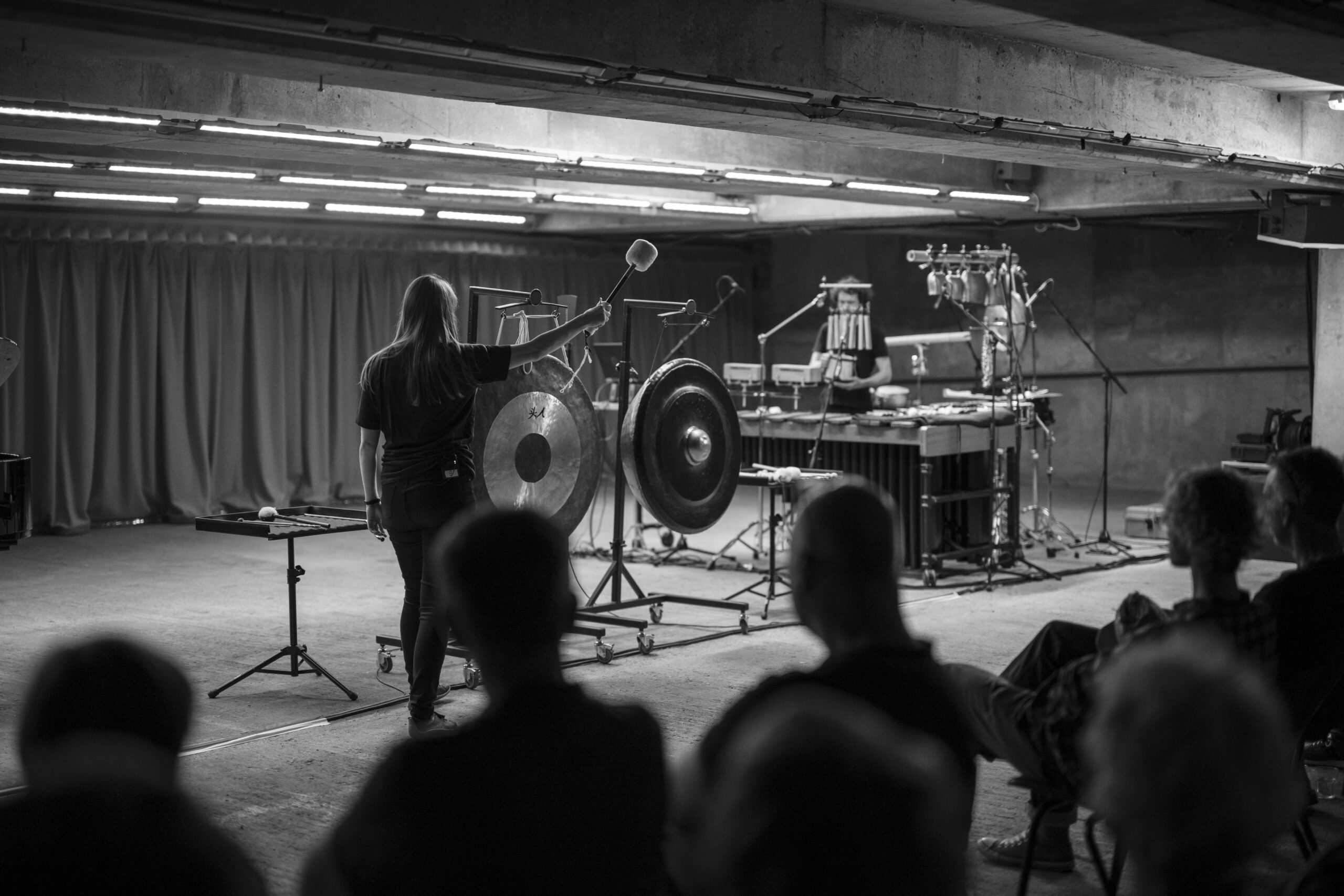
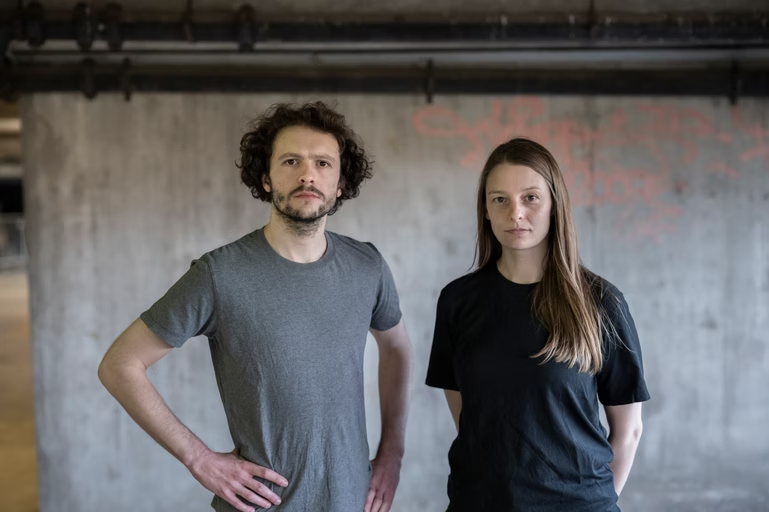
Known for bold, fearless programming, GBSR Duo is fast emerging as the leading interpreter of Morton Feldman’s music. Performances in London at the King’s Place, Barbican and Southbank Centre have received high praise from The Guardian: “the intense concentration of these performers and the delicately immersive sound world they created were utterly unforgettable”. Feldman’s rarely performed ‘Dance Suite’ features alongside a monumental new commission by Bryn Harrison, a leading British composer whose music has been described as “utterly compelling” (The Guardian).

With support from the Hinrichsen Foundation 

Save 20% when you book for 10 or more Music in the Round Sheffield concerts in one transaction.
Save 10% when you book for 5 or more Music in the Round Sheffield concerts in one transaction. Find out more.

“A wonderful, adventuresome, sensitive pair of musicians”

Kate Molleson, BBC Radio 3

PIANO CLASSICS

Sarah Beth Briggs

Crucible Playhouse, Sheffield
Saturday 5 September 2026, 2.00pm

Tickets:
£23
£14 UC, PIP & DLA
£5 Students & Under 35s

Book Tickets

BEETHOVEN Bagatelles Op.126 (15’)
C SCHUMANN 4 Pièces fugitives Op.15 (14’)
TAILLEFERRE Sicilienne (3’)
POULENC 3 Novelettes (7’)
R SCHUMANN Waldszenen Op.82 (20’)
BRAHMS Piano Pieces Op.119 (15’)

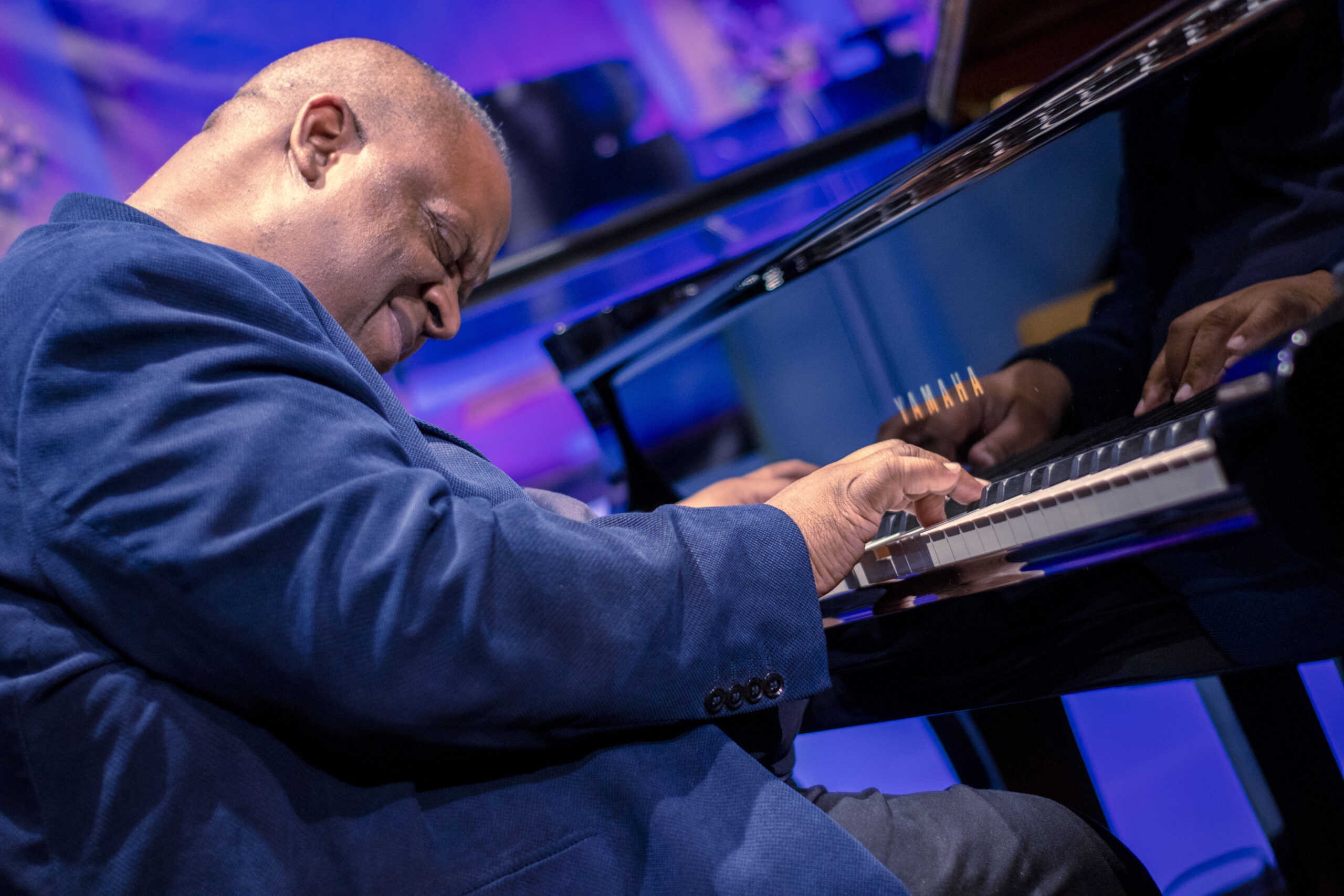
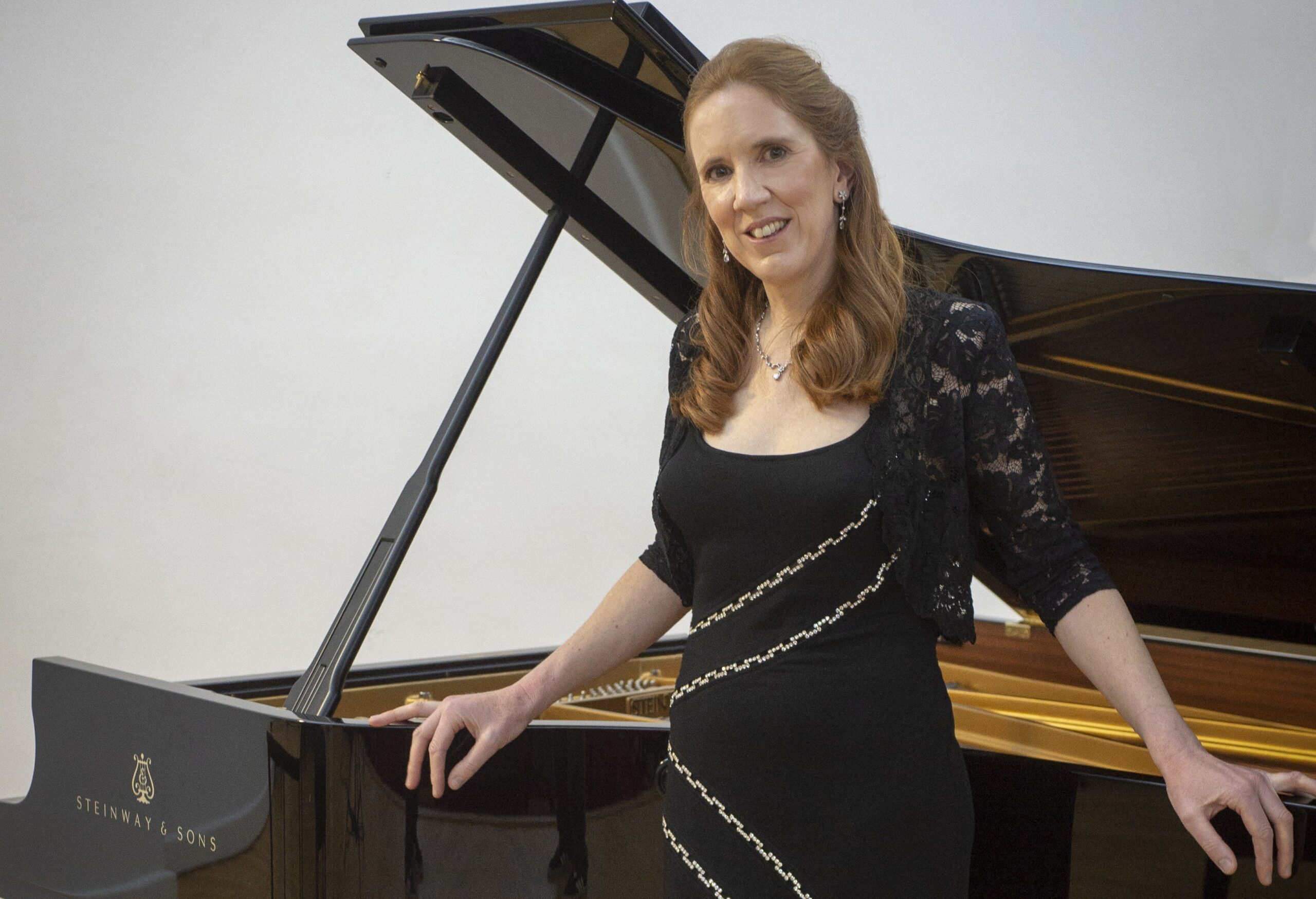
“An artist of extraordinary magnetism” (Daily Telegraph), Yorkshire pianist Sarah Beth Briggs has enjoyed a distinguished career both on stage and in the recording studio. She returns to the Crucible Playhouse for an afternoon of glittering piano favourites.

Among the highlights are works by R Schumann and Beethoven: Schumann’s evocative  Forest Scenes conjures a mysterious and haunting symbolic world, populated by hunters, lonely flowers and a watchful, prophetic bird; while Beethoven wrote of his lively Bagatelles that these were “quite the best pieces of their kind that I have written”.

Save 20% when you book for 10 or more Music in the Round Sheffield concerts in one transaction.
Save 10% when you book for 5 or more Music in the Round Sheffield concerts in one transaction. Find out more.

LA VOIX HUMAINE

Claire Booth & Christopher Glynn

Crucible Playhouse, Sheffield
Tuesday 19 May 2026, 7.00pm

Tickets:
£23
£14 UC, PIP & DLA
£5 Students & Under 35s

Book Tickets
Soprano Claire Booth and pianist Christopher Glynn

POULENC
   La Dame de Monte Carlo (7’)  
   Toréador (2’)
   Corcardes (6’)
DUREY Trois Chansons Basques (4’)
AURIC Huit Poèmes de Jean Cocteau (19’)
MILHAUD Trois Poèmes de Jean Cocteau Op.59 (3’)
POULENC La Voix Humaine (40’) [semi-staged] 

A voice. A telephone. A fractured love affair. 

Claire Booth is joined by GRAMMY-winning pianist Christopher Glynn to present Poulenc’s searing operatic melodrama. Take a seat at the heart of the action to absorb this most intimate operatic setting of Jean Cocteau’s ground-breaking play, eavesdropping on a life in the balance. 

Opening with a bravura tour through a variety of songs influenced by Cocteau’s poetry, you are invited to a recital which becomes an opera like no other. 

Save 20% when you book for 10 or more Music in the Round Sheffield concerts in one transaction. 
Save 10% when you book for 5 or more Music in the Round Sheffield concerts in one transaction. Find out more. 


Cocteau’s Music

Jean Cocteau was many things, but above all unpindownable. Poet, playwright, artist, filmmaker, collaborator, provocateur, self-inventor: each description fits, but none is sufficient. His work darts and pivots, one mask slipping as another appears. But beneath the surface, the same fixations recur: love, death, dependence and abandonment. This album stays close to his restlessness, touching melodrama and popular culture, prayer and aphorism, dance, cabaret and theatre, as styles collide, and the masks occasionally fall.

We first met him over twenty years ago, through Francis Poulenc’s setting of his monologue La Voix Humaine. It’s the piece we have returned to more than any other, and one we’ve long wanted to record. Finding the right context proved harder. The solution, eventually, was to build a programme around a poet rather than a composer. Cocteau belongs naturally among the disrupters and misfits who have preoccupied us in earlier recordings: figures who resist categories, or who are remembered for one thing while the rest fades.

We open with La Dame de Monte Carlo, Poulenc’s bleak portrait of an ‘old, wretched tart.’ Her despair is real, though lacquered over with wit and bravado. This suicide note doubles as a love letter to the Riviera that both Poulenc and Cocteau adored, where casinos and sunlight can hold despair at bay, for a while. La Voix Humaine stands at the other end of the disc. Between these two solitary women we’ve placed ten songs by composers drawn to Cocteau’s voice, from both his immediate circle and later generations. And as an afterword to Voix, we offer a few lines from Cocteau’s famous prose-poem Discours du Sommeil, spoken — in the spirit of his great collaborator Jean Marais — over music by his favourite composer Bach, to whom he returned repeatedly, not least in Le Jeune Homme et la Mort, his ballet about a young man driven to suicide by an unfaithful lover.

We make no apologies for incompleteness. Any attempt to engage fully with a figure like Cocteau would be doomed from the outset. So this is a partial portrait, shaped by affection and curiosity rather than any claim to being comprehensive. In other words, we’ve chosen a few of our favourites.

Poulenc’s miniature song cycle Cocardes captures poet and composer early on, alive to the energy of the street. Slogans and absurd juxtapositions tumble forward in a breathless loop, each line beginning with the last syllable of the one before, like a verbal circus trick.

Louis Durey’s Prière offers a stark contrast. Written after Cocteau heard the song of a young shepherd during a stay in the Basque country in 1919, it portrays a soldier returning from war, speaking plainly of what he longs for. A more oblique Cocteau is embraced by Arthur Honegger in Locutions. Here, the images arrive through fragments and utterances – falling petals, discarded masks, moments of beauty glimpsed, then gone.

In Sobre las olas, Maurice Delage shows us the sea as a place of play and possibility. Boys heave at the waves, girls flirt with the sky’s reflection, and the whole scene is set to a teasing waltz. A sadder Valse langoureuse haunts Le Bel Indifférent, the play Cocteau crafted for Édith Piaf. In Laurent Chaslin’s setting, it becomes a half-remembered chanson, charm gradually giving way to disillusion as the dance winds down.

With Darius Milhaud, the pulse quickens, in every sense, as American jazz rubs up against Parisian wit in Caramel Mou. This shimmy is steeped in the atmosphere of Le Bœuf sur le Toit, Cocteau’s favourite night-time haunt, devoted to what he called ‘life’s visceral pleasures.’ A quieter, later echo of Cocteau’s world comes from Guy Sacré. Composing in Paris in the 1970s, he set little-known fragments such as Que ne suis-je un de cette Égypte, which contemplates mortality with images of ancient ritual and imagined afterlives.

Finally, a salute to a Sphinx-like presence that hovers over the whole programme. In Hommage a Erik Satie, Cocteau honours France’s most elusive composer by way of another sublime eccentric, the painter Henri Rousseau, whose voluptuous jungle scenes depicted distant worlds he never saw. Georges Auric’s job was simply to add the music, lightly, ironically and with a smile Satie would surely have relished.

All of which leads us to La Voix Humaine. Cocteau’s 1930 play was a stroke of genius, diagnosing the modern ache of ‘depersonalised communication’. We are in pre-war Paris, eavesdropping on a woman, known simply as Elle, as she speaks to a lover who has already left her. We hear only her side of the conversation: the evasions, the revisions, the sudden rushes of hope and despair. The telephone, promising intimacy, delivers its opposite, as interruptions, crossed lines and silences intensify the drama, turning technology itself into an accomplice in emotional cruelty. The problem feels uncannily familiar to our social media age, where connection is easier than ever, but intimacy can feel harder.

When Poulenc transformed the play into a tragedie lyrique, he did so under intense personal strain, having already lost one lover and fearing the loss of another. The role was written for Denise Duval, his favourite singing actress, and became, in Poulenc’s words, a shared ‘diary of suffering’. And Elle’s predicament mirrors Cocteau’s deepest anxieties too. Unrequited love was the great obsessive fear of his life and poetry became a means of testing whether expression could still reach beyond the self – even, as in Discours du Sommeil, from the far side of silence.

Every performer knows the feeling: sending a sound out into a concert hall or recording studio, unsure how it will be received. Cocteau understood the risk instinctively and the urgency never left him. Each work was a renewal, a bet against indifference. The signal has to be sent again, because silence is always possible. Or worse, the line goes dead.

Christopher Glynn 2026 ©

“Booth’s expressiveness [is] so intense, the colours of the voice so beautiful… [she] makes it wholly unforgettable.”

The Guardian

RELAXED CONCERT: PETER AND THE WOLF

Claire Booth, Ensemble 360 & Nicholas Jubber

Crucible Playhouse, Sheffield
Wednesday 20 May 2026, 2.00pm

Tickets:
£5 / carers free

Book Tickets
Ensemble 360 musicians

RAVEL (arr. Strivens) Shéhérazade (20’)  
PROKOFIEV Peter and the Wolf (30)  
 
For this ‘Relaxed’ concert of storytelling music featuring Prokofiev’s beloved musical folk story, doors will be left open, lights raised, a break-out space provided, and there will be less emphasis on the audience being quiet during the performance.  
 
People with an Autism Spectrum, sensory or communication disorder or learning disability, those with age-related impairments and parents/carers with babies are all especially welcome.

Find out more about what to expect with our Relaxed Performance information pack.

Download

PETER AND THE WOLF & OTHER STORIES

Claire Booth, Ensemble 360 & Nicholas Jubber

Crucible Playhouse, Sheffield
Wednesday 20 May 2026, 5.00pm

Tickets:
£23
£14 UC, PIP & DLA
£5 Students & Under 35s

Book Tickets
Ensemble 360 musicians

DEBUSSY Danse Sacrée et Profane (10’) 
RAVEL (arr. Strivens) Shéhérazade (20’)
DEBUSSY Trio for Flute, Viola and Harp (16’) 
PROKOFIEV ‘Peter and the Wolf’ (30’)

Timeless tales of far-off adventure and daring triumphs have long inspired composers to bring stories to life through music.  

Prokofiev’s beloved symphonic tale, ‘Peter and the Wolf’, delights audiences of all ages, with its story of the fearless Peter and his encounter with a ferocious wolf, narrated here by storyteller and author Nicholas Jubber.  

Ravel’s ‘Shéhérazade’ (in an intimate chamber arrangement) evocatively conjures an ancient wonderland of fairytales and lovers through captivating melodies.  

Music for harp and strings by Debussy completes this charming programme. 

Save 20% when you book for 10 or more Music in the Round Sheffield concerts in one transaction. 
Save 10% when you book for 5 or more Music in the Round Sheffield concerts in one transaction. Find out more. 

DEBUSSY Claude, Sonata for Flute, Viola and Harp

Pastorale 
Interlude 
Finale 
 

Debussy originally planned a set of six instrumental sonatas but only lived to complete three of them. The first was for cello and piano (August 1915), the third for violin and piano (finished in April 1917), but in terms of instrumentation the most unusual of the three was the second sonata, scored for flute, viola and harp. Debussy completed it in October 1915 at the end of a productive summer spent on the Normandy coast, and the first performance took place on 7 November in Boston, Massachusetts. Debussy heard the work for the first time a month later, on 10 December, when it was given in Paris at one of the concerts put on by his publisher Durand. The viola part was played on that occasion by Darius Milhaud. 


The work was inspired by the clarity and elegant proportions of French Baroque music, but the musical language is very much of its own time. The ethereal Pastorale is based on fragmentary but distinctive musical ideas, while the central Interlude, delicately coloured in places by whole-tone harmonies, is marked ‘Tempo di minuetto’ – the most obvious nod to the Baroque. The finale is directed to be played ‘Allegro moderato ma risoluto’ and the muscular quality of the ideas presented at the start dominate the movement. There’s a brief recollection of the ‘Pastorale’ before a short, exultant coda. 


© Nigel Simeone 

BIRD TUNES: MIRANDA RUTTER, SAM SWEENEY & ROB HARBRON

Miranda Rutter, Sam Sweeney & Rob Harbron

Crucible Playhouse, Sheffield
Wednesday 20 May 2026, 8.00pm

Tickets:
£23
£14 UC, PIP & DLA
£5 Students & Under 35s

Book Tickets

Three of the finest folk musicians working today perform a new suite of tunes, crafted from fragments of birdsong recorded on woodland walks by the brilliant fiddle player and composer Miranda Rutter.  

Performed with “concertina wizard” (The Guardian) Rob Harbron and “the fiddler with the golden ear” (BBC Radio 3) Sam Sweeney, as well as field recordings of this most elemental form of music, it is a love-song to avian beauty and a timely reminder of the struggles faced by migrating birds. 

“I follow in a long line of musicians from prehistory who’ve been inspired by birdsong – it being such an enchanting wonder of the world!  For me, listening deeper, discovering intricacies and learning to recognise birds by their song has made me care even more about birds and their habitat. As so many species are struggling in this rapidly changing, human-dominated world, I hope that my contribution can help spark intrigue, spread awareness and in turn, generate action to turn the tide of fortune for these awe-inspiring creatures.”
Miranda Rutter 

“Bird Tunes is, very simply, utterly beautiful. A glorious bringing together of field recordings, birdsong and three incredible musicians. Nature and music in perfect harmony.”

Tradfolk

BEETHOVEN & FRIENDS

Consone Quartet

Crucible Playhouse, Sheffield
Thursday 21 May 2026, 7.00pm

Tickets:
£17
£10 UC, PIP & DLA
£5 Students & Under 35s

Book Tickets
Musicians from the Consone Quartet with their instruments

Beethoven’s creative world is brought vividly to life through music and storytelling.

Pieces by Beethoven and his friends, personally chosen by the Consone Quartet, are interspersed with historical detail as told by Katy Hamilton, one of the most sought-after speakers and writers on music. She provides a human insight into the lives of these exceptional composers and their music.

This promises to be a captivating concert by one of the most rigorous and approachable quartets playing today, who have already been taken to heart by Sheffield audiences through their regular appearances with Music in the Round.

Excerpts from:
FANNY MENDELSSOHN String Quartet in E flat (4’)
CZERNY String Quartet in A minor (7’30)
BEETHOVEN String Quartet in F minor ‘Serioso’ (7’)
ZMESKALL String Quartet No.15 in G minor (5’15)
ONSLOW String Quartet in C minor Op. 8 No.3 (8’)
HAYDN String Quartet in G Op.77 No.1 (5’30)
HUMMEL String Quartet in C Op.30 No.1 (3’)
CHERUBINI String Quartet No.6 in A minor (4’30)

Supported by the Continuo Foundation

Save 20% when you book for 10 or more Music in the Round Sheffield concerts in one transaction. 
Save 10% when you book for 5 or more Music in the Round Sheffield concerts in one transaction. Find out more. 

KAFKA FRAGMENTS

Claire Booth & Tamsin Waley-Cohen

Crucible Playhouse, Sheffield
Thursday 21 May 2026, 9.00pm

Tickets:
£17
£10 UC, PIP & DLA
£5 Students & Under 35s

Book Tickets

KURTÁG Kafka Fragments (60’)  

Comprising 40 short excerpts from Kafka’s writings, diaries, and letters – often heartfelt and confessional – Kurtág’s Kafka Fragments is a work of sparse, lyrical beauty. Scored for violin and soprano, this wide-ranging work encapsulates the scale of the human experience, from dreamlike surrealism to moments of sardonic humour and lyrical beauty.  

Save 20% when you book for 10 or more Music in the Round Sheffield concerts in one transaction. 
Save 10% when you book for 5 or more Music in the Round Sheffield concerts in one transaction. Find out more. 

“[Booth’s] voice blazes with energy and subsides in exhausted despair. It’s a real tour de force. She has done nothing finer.”

The Guardian

THIS SCEPTERED ISLE: BRITISH SONG

Claire Booth & Ensemble 360

Crucible Playhouse, Sheffield
Friday 22 May 2026, 2.00pm

Tickets:
£23
£14 UC, PIP & DLA
£5 Students & Under 35s

Book Tickets

BRITTEN Phantasy Quartet (15’) 
BRITTEN / PURCELL She Loves and She Confesses Too (2’)
BRITTEN / PURCELL Oh Solitude (6’)
BRITTEN / PURCELL Bess of Bedlam (4’)
MATTHEWS Seascapes (13’)
KNUSSEN
Whitman Settings – When I heard the learn’d Astronomer (3’)
Whitman Settings – A Noiseless patient Spider (3’)
Whitman Settings – The Dalliance of the Eagles (2’)
Whitman Settings – The Voice of the Rain (3’)
WALTON Piano Quartet (30’) 

A celebration of British song from one of its finest exponents. Praised for her “radiant, rapturous, wonderfully nuanced performances” (The Scotsman), Claire Booth performs a selection of her best-loved music, from Britten’s stirring reimagining of Purcell songs to Colin Matthews’ evocative seascapes in celebration of the prolific composer’s 80th birthday.  

Save 20% when you book for 10 or more Music in the Round Sheffield concerts in one transaction. 
Save 10% when you book for 5 or more Music in the Round Sheffield concerts in one transaction. Find out more. 

BRITTEN Benjamin, Phantasy Quartet in F sharp minor

Andante con moto – Allegro vivace – Andante con moto

Bridge had already been successful in Walter Wilson Cobbett’s competition to write a ‘Phantasy’ – Cobbett’s reinvention of the Elizabeth Fantasy as new single-movement chamber works – and in 1910 he (along with Vaughan Williams and others) was commissioned by Cobbett to compose a Phantasy Piano Quartet. It’s a work in a satisfying arch form based on free-flowing musical ideas all of which derive from the powerful opening gesture. Bridge’s most famous pupil, Benjamin Britten, wrote in a programme note for the Aldeburgh Festival about this piece. He described the music as ‘Sonorous yet lucid, with clear, clean lines, grateful to listen to and to play. It is the music of a practical musician, brought up in German orthodoxy, but who loved French romanticism and conception of sound—Brahms happily tempered with Fauré.’

Nigel Simeone 2013

MATTHEWS Colin, Seascapes

Sidney Keyes died in Tunisia in April 1943 at the age of 20. Although usually spoken of as a war poet, none of the poems he is believed to have written during his short period of active service survive. However, of the poems I have chosen to set, all but one (The Island City) were written after he had enlisted in April 1942. Their mood is darker than his earlier work, but it is significant that his major ‘war’ poem The Foreign Gate was written while he was still at Oxford in February 1942. He is probably best known for Tippett’s 1950 settings of The Heart’s Assurance and Remember Your Lovers, but his Collected Poems (a volume of little more than 100 pages) reveal a remarkably sophisticated perspective, heavily influenced by Rilke and Yeats but demonstrating an exceptional, individual voice, brutally cut short. Victoria Sackville-West wrote of ‘the astonishing maturity of his mind, the intense seriousness of his outlook, and his innate pre-occupation with major things’. 


Colin Matthews 2026 © 


  1. The Island City

Walking among this island
People inhabiting this island city,
Whose coast recedes, whose facile sand
Bears cold cathedrals, restively:
I see a black time coming, history
Tending in footnotes our forgotten land. 

Hearing the once virginal
But ageing choirs of intellect
Sing a psalm that would appal
Our certain fathers, I expect
No gentle decadence, no right effect
Of falling, but itself the barren fall:
And Yeats’ gold song-bird shouting over all. 


  1. From: North Sea

The evening thickens.
Figures, figures like a frieze
Cross the sea’s face, their cold heads
Disdainful of the wind that pulls their hair
The brown light lies across the harbour wall. 


  1. Night Estuary

And yet the spiked moon menacing
The great humped dykes, scaring the plaintive seafowl,
Makes no right image, wakes no assertive echo.
Though one may stride the dykes with face upturned
To the yellow inflammation in the sky
And nostrils full of the living samphire scent,
There is no kindness in man’s heart for these.
In this place and at this unmeaning hour,
There is no hope for a man’s hope or his sorrow. 


O you lionhearted poet’s griefs, or griefs
Wild as the curlew’s cry of passage;
O hope uneasy as the rising ebb
Among the sedges, cold and questing guest;
Leave me alone this hour with the restive night.
Allow me to accept the witless landscape. 


  1. Interlude


  1. Seascape

Our country was a country drowned long since,
By shark-toothed currents drowned:
And in that country walk the generations,
The dancing generations with grey eyes 
Whose touch would be like rain, the generations
Who never thought to justify their beauty.
There once the flowering cherry grasped the wall
With childish fingers, once the gull swung crying 
Across the morning or the evening mist;
Once high heels rattled on the terrace
Over the water’s talk, and the wind lifted
The hard leaves of the bay; the white sand drifted
Under the worm-bored rampart, under the white eyelid. 


Our country was a country washed with colour.
Its light was good to us, sharp limning
The lover’s secret smile, the fine-drawn fingers;
It drew long stripes between the pointed jaws
Of sea-bleached wreckage grinning through the wrack
And turned cornelian the flashing eyeball.
For here the tide sang like a riding hero
Across the rock-waste, and the early sun 
Was shattered in the teeth of shuttered windows. 


But now we are the gowned lamenters
Who stand among the junipers and ruins.
We are the lovers who defied the sea. 


Text from Sidney Keyes: Collected Poems (1945)