ELGAR PIANO QUINTET

Brodsky String Quartet & Martin Roscoe

Crucible Playhouse, Sheffield
Saturday 7 November 2026, 2.00pm

Tickets:
£23
£14 UC, PIP & DLA
£5 Students & Under 35s

Book Tickets

PURCELL Fantasia No.5 (4’)
MACMILLAN For Sonny (5’)
MACMILLAN Memento (4’)
BRITTEN String Quartet No.3 (26’)
ELGAR Piano Quintet (37’)

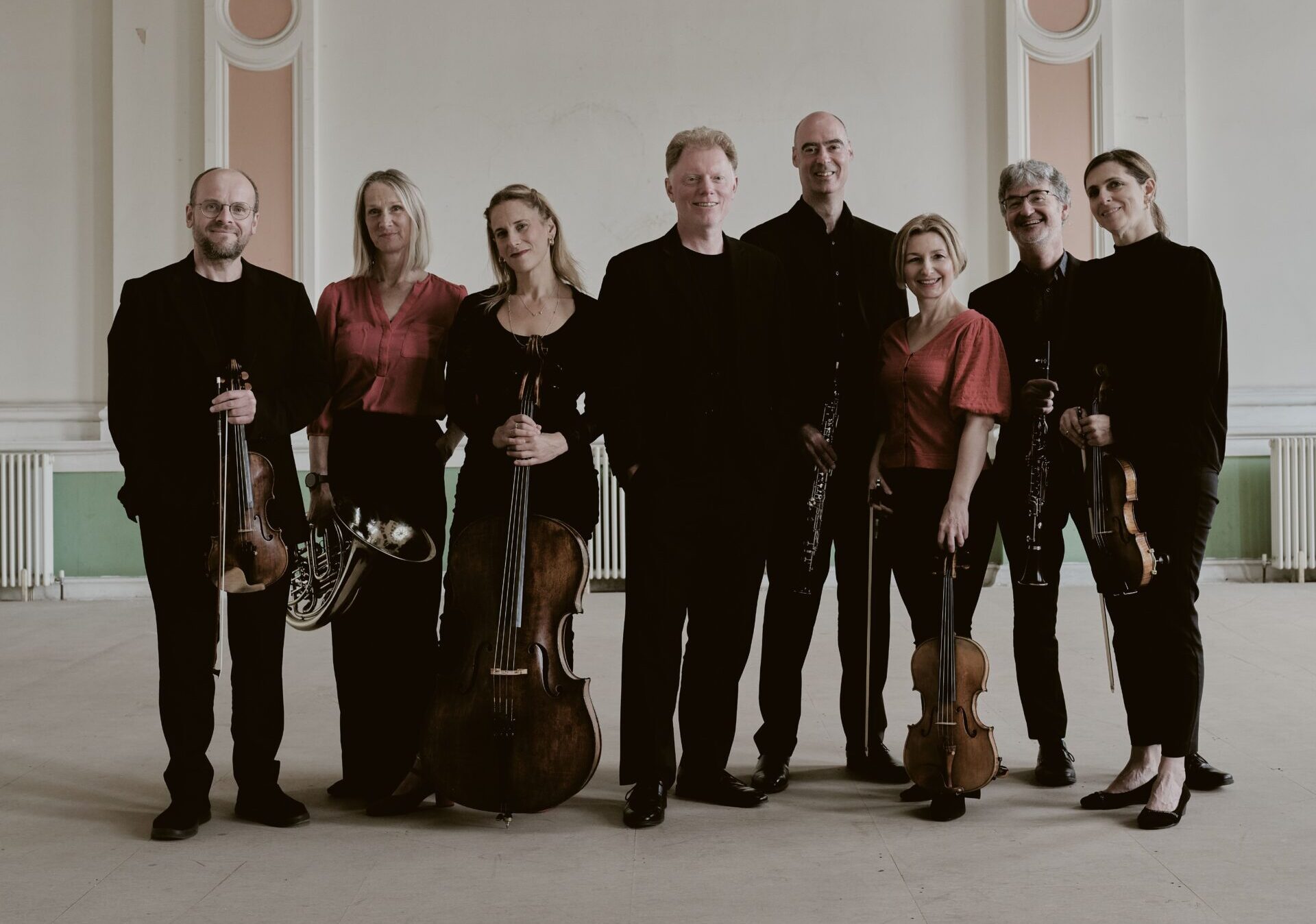
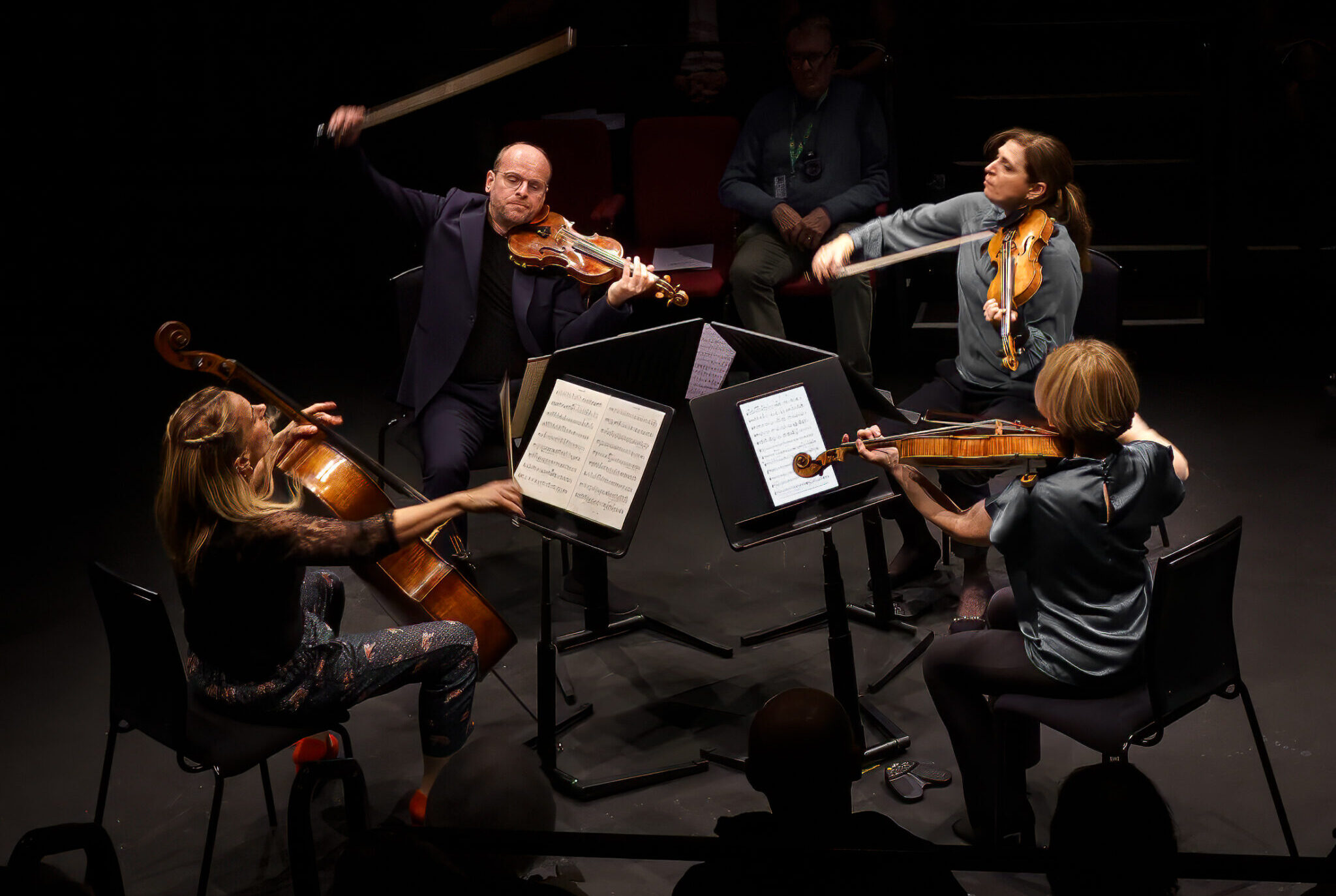
No stranger to Sheffield audiences, pianist Martin Roscoe was a frequent collaborator with the Lindsay String Quartet, founders of Music in the Round. Here he joins forces with another titanic quartet, the prolific Brodskys, who have been performing for over half a century to prizes and plaudits around the world. 

Elgar’s Piano Quintet is an undisputed masterpiece: a tender yet muscular work of epic emotions. The emotional core of the piece begins with a ravishing viola melody, and its final movement magically conjures a stirring chorale before plunging to a thrilling and thundering conclusion.

Save 20% when you book for 10 or more Music in the Round Sheffield concerts in one transaction.
Save 10% when you book for 5 or more Music in the Round Sheffield concerts in one transaction. Find out more.

MACMILLAN James, Memento for String Quartet

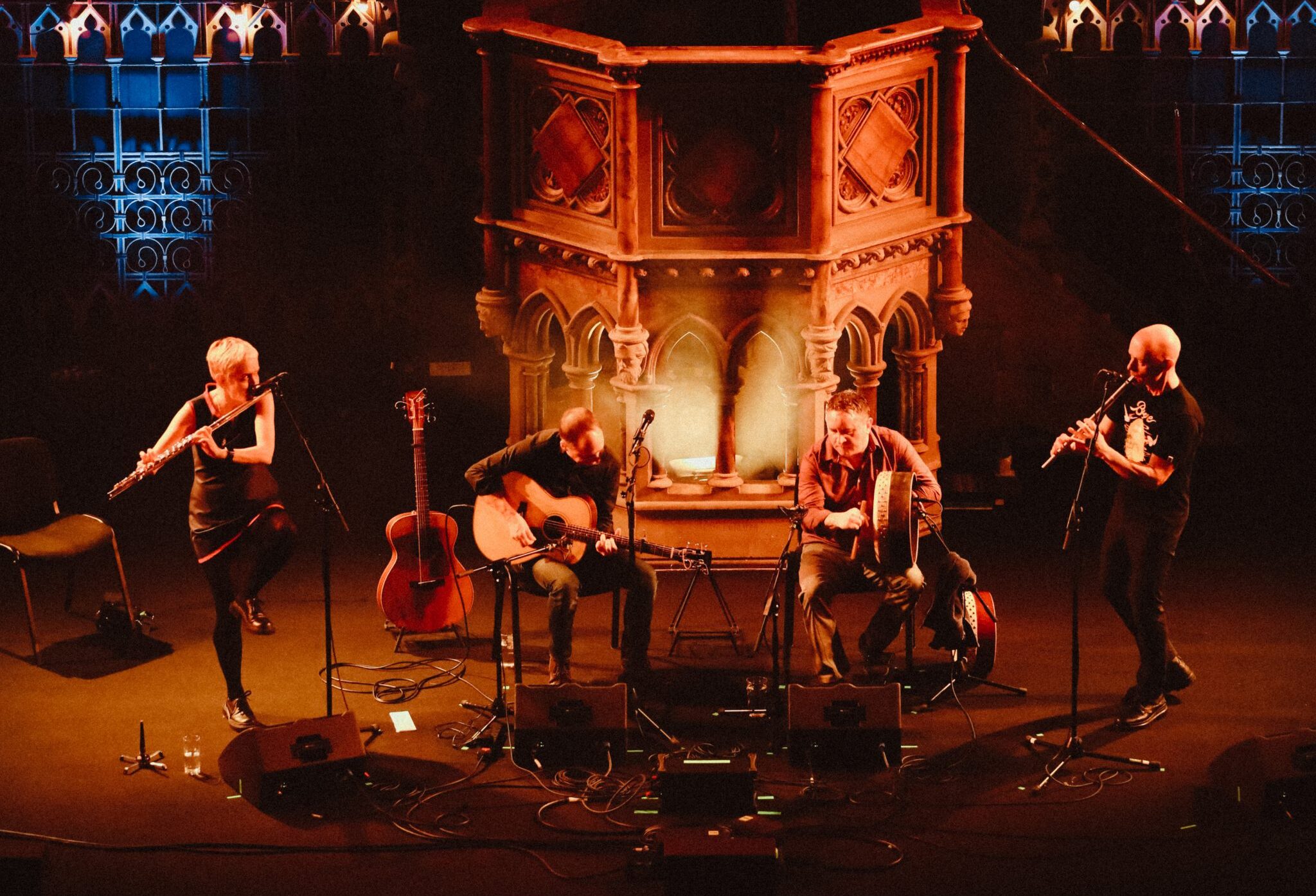
Memento was composed in memory of David Huntley, the charismatic Vice-President of Boosey & Hawkes in the United States, who died in 1994. This work was written for the concert given in his memory by the Kronos Quartet on 13 October 1994 (the other composers included Elliott Carter, Robin Holloway, Barbara Kolb and Aaron Jay Kernis). The Scottish connection with this piece is central to its musical language. According to Macmillan, Memento is ‘based on the modality of Gaelic lament music and the Gaelic heterophony of psalm-singing in the Hebrides.’

Nigel Simeone 2013

BRITTEN Benjamin, String Quartet No.3 Op.94

Duets: With moderate movement
Ostinato: Very fast
Solo: Very calm
Burlesque: Fast, con fuoco
Recitative and Passacaglia (La Serenissima): Slow – Slowly moving

This late and very private masterpiece was Britten’s last chamber work, completed in November 1975. It is also one of his very few works to contain self-quotations, from the opera Death in Venice. The structure is unusual (Britten contemplated calling it a ‘Divertimento’) and the five movements form an arch. Colin Matthews, who worked as Britten’s assistant on this quartet, has written that ‘the main weight [is] borne by the outer movements, while the middle movements are in the nature of intermezzi.’ The first movement is a melancholy Andante, while the brittle ‘Ostinato’ and ‘Burlesque’ frame the ‘Solo’, an Adagio of breathtaking restraint and luminous beauty. The Finale, ‘La Serenissima’, is an intimate hymn to Venice, a gentle Passacaglia (a favourite Britten form – in Peter Grimes and the Second String Quartet), but one which never finds repose: just as it seems to be settling on E major, Britten ends the work on a most enigmatic musical question mark.

Nigel Simeone 2013

ELGAR Edward, Piano Quintet in A minor Op.84

Moderato – Allegro
Adagio
Andante – Allegro

Elgar’s Piano Quintet is one of his last large-scale works, dating from the same period as the Violin Sonata and the Cello Concerto. In October 1918, Elgar wrote to the critic Ernest Newman, telling him that the first movement of his Piano Quintet was ready: ‘I want you to hear it. It is strange music I think, and I like it – but it’s ghostly stuff.’ The work was to be dedicated to Newman. The first private performance of the complete work took place on 7 March 1919 at Severn House, Elgar’s London home. George Bernard Shaw was there, and his reaction was enthusiastic: ‘The Quintet knocked me over … This was the finest thing of its kind since [Beethoven’s] Coriolan.’ Shaw is presumably referring here to the dark, uneasy opening which certainly recalls the mood of Beethoven’s overture.

As the introduction gives way to the main Allegro another influence is apparent: the Piano Quintet by Brahms. It is presumably the sweeping, passionate drive of the musical argument in this movement – punctuated by some dramatic references back to the introductory music – that led the English musicologist and Elgar biographer Percy Young to describe it in the most glowing terms, declaring that it was ‘in some ways Elgar’s finest movement’. The work’s central Adagio begins with a tranquil viola solo, supported by the other strings. This expansive movement is crowned by a passionate climax of almost orchestral grandeur, before subsiding back to the gentler, calmer mood of the opening. After a brief introduction that becomes increasingly agitated, the main theme of the finale is a noble arching theme marked ‘with dignity, song-like’. Much of the movement is restrained and reflective, but at the close Elgar drives home his musical ideas to a powerful and thrilling conclusion.

Nigel Simeone © 2011

In the mighty [Elgar] Piano Quintet the Brodskys generate a consistently stimulating rapport with the admirable Martin Roscoe… ….piercing heartache and awestruck wonder course through the ensuing Adagio centrepiece.   ”

Gramophone

BEETHOVEN & BRAHMS STRING QUARTETS

Opus13

Upper Chapel, Sheffield
Saturday 24 October 2026, 7.00pm

Tickets:
£23
£14 UC, PIP & DLA
£5 Students & Under 35s

Book Tickets

BEETHOVEN String Quartet in D Op.18 No.3 (25’)
ADÈS Arcadiana  (20’)
BRAHMS String Quartet No.1 in C minor  (35’)

Opus 13, the most recent winner of the prestigious Wigmore Hall International String Quartet competition, makes its Sheffield debut with a programme of bold and lyrical works. 

Praised by the judges for “technically superb and emotionally compelling” performances, the Quartet follows in the footsteps of a glittering roster of past winners, including the internationally renowned Leonkoro Quartet, Quartet Van Kuijk and the Takacs Quartet. 

Beethoven’s first string quartet is a bright, lyrical and humorous work, undercut by a deeply affecting slow movement. Indebted to Beethoven’s later work, Brahms’s String Quartet No.1 is a bold, passionate piece, from its striking opening bars to its rapturous conclusion. 

Arcadiana, the first string quartet by Thomas Adès, “one of the most accomplished and complete musicians of his generation” (The New York Times) also features, portraying an evocation of paradise with references to Mozart’s opera The Magic Flute, the painter Poussin and Greek mythology.

Save 20% when you book for 10 or more Music in the Round Sheffield concerts in one transaction.
Save 10% when you book for 5 or more Music in the Round Sheffield concerts in one transaction. Find out more.

BEETHOVEN Ludwig van, String Quartet in D Op.18 No.3

Allegro
Andante con moto
Allegro
Presto

The Quartet Op.18 No.3 is a landmark in Beethoven’s career: it’s his first string quartet. He began it in the Autumn of 1798, finishing it early the following year, and eventually placed it as the third of the Op.18 set. As a preparation, Beethoven immersed himself in quartets by other composers, especially Mozart and his teacher Haydn – he copied out two of Mozart’s Haydn quartets just as he was beginning work on his Op.18.

The first movement opens with an arching theme (characterised by a leap of a minor seventh between the first two notes). The slow movement, in B flat major, begins with a luxuriant presentation of the main theme, but the texture soon becomes more spare and fragmented, with numerous dramatic contrasts. The Scherzo-like third movement has a minor key Trio section, while the final Presto is notable for its unquenchable energy. Composer Robert Simpson wrote that this music ‘flies at once into the sky, alighting when and where it wishes’ – from the stormy development section to the unexpectedly quiet ending.

© Nigel Simeone

ADÈS Thomas, Arcadiana

Composed in 1994 and now firmly established as part of the contemporary string quartet repertoire, Arcadiana is one of Thomas Adès’s early masterpieces. Six of its seven movements evoke various vanished or vanishing idylls. The odd-numbered movements are all aquatic. I might be the ballad of some lugubrious gondolier; III takes a title and a figuration from a Schubert Lied; in V a ship is seen swirling away to L’Isle Joyeuse; VII is the River of Oblivion. The second and sixth movements inhabit pastoral Arcadias, respectively: Mozart’s ‘Kingdom of Night’, and more local fields. The joker in this pack is the fourth movement, the literal dead centre: Poussin’s tomb bearing the inscription ‘Even in Arcady am I’.

Faber Music

BRAHMS Johannes, String Quartet in C minor Op.51 No.1

Allegro
Romanze. Poco adagio
Allegretto molto moderato e comodo
Allegro

The string quartet was a form that gave Brahms a great deal of trouble and the masterpieces of Haydn, Mozart and Beethoven meant that Brahms was especially critical of his efforts at quartet writing. The C minor Quartet was finished in the mid-1860s, but Brahms revised it extensively over the next decade and re-wrote it during the summer of 1873. The first performance took place in Vienna in December 1873 by the Hellmesberger Quartet. The work is dedicated to Brahms’s friend Theodor Billroth, one of the most innovative surgeons of his time and a keen amateur musician. There’s a very close relationship between the main themes in each of the four movements, each of which grow from the same basic idea, and the overall structure sees two intimate miniatures framed by the more symphonic outer movements.

Nigel Simeone ©2014

Arcadiana, Adès’s first string quartet, remains one of his most engaging pieces, the brilliance offset by tenderness, even the odd, quickly-brushed-away tear of sentimentality.”

The Financial Times

TANGRAM: RITUALS FOR A CHANGING WORLD

Tangram Music Ensemble

Crucible Playhouse, Sheffield
Saturday 17 October 2026, 7.00pm

Tickets:
£17
£10 UC, PIP & DLA
£5 Students & Under 35s

Book Tickets

SAARIAHO Six Japanese Gardens (selected movements) (10’)
Ancient Chinese ritual music (6’)
VON BINGEN O vis eternitatis (8’)
YANG YONG River Song (5’)
Improvisation (10’)
ISANG YUN Sori (10’)
Fumeux Fume 12th century Troubadour song (5’)
HOSOKAWA Small Chant (5’)

From the intimate to the divine: an intriguing musical exploration of Chinese music and philosophy alongside European classical traditions.

Moving between eastern and western instruments, these innovative musicians explore how ancient divination practices have inspired music, ritual and performance for over 1,000 years.

Praised for their “highly imaginative” (I Care If You Listen) and “powerfully theatrical performance” (Tempo) with an “intoxicating […] mood of poetry, restraint and elegance”, (The Stage) Tangram specialise in cross-cultural productions and are Associate Artists at LSO St Luke’s.

Save 20% when you book for 10 or more Music in the Round Sheffield concerts in one transaction.
Save 10% when you book for 5 or more Music in the Round Sheffield concerts in one transaction. Find out more.
VAUGHAN WILLIAMS: SONGS OF TRAVEL

Roderick Williams & Christopher Glynn

Crucible Playhouse, Sheffield
Saturday 17 October 2026, 2.00pm

Tickets:
£23
£14 UC, PIP & DLA
£5 Students & Under 35s

Book Tickets

IRELAND Summer Schemes; Down by the Salley Gardens; We’ll to the woods no more; Sea Fever; The Vagabond; Youth’s Spring Tribute
CLARKE Down by the Salley Gardens; The Cloths of Heaven; The Seal Man
BOYLE A Song of Enchantment; The Joy of Earth
TIMBLE Green Rain; My grief on the sea
WOOD I’d roam the world over with you
GURNEY Down by the Salley Gardens
HEAD Tewkesbury Road
F WALEY-COHEN The Moon, the Moss & the Mushrooms (Music in the Round co-commission)
VAUGHAN WILLIAMS Songs of Travel

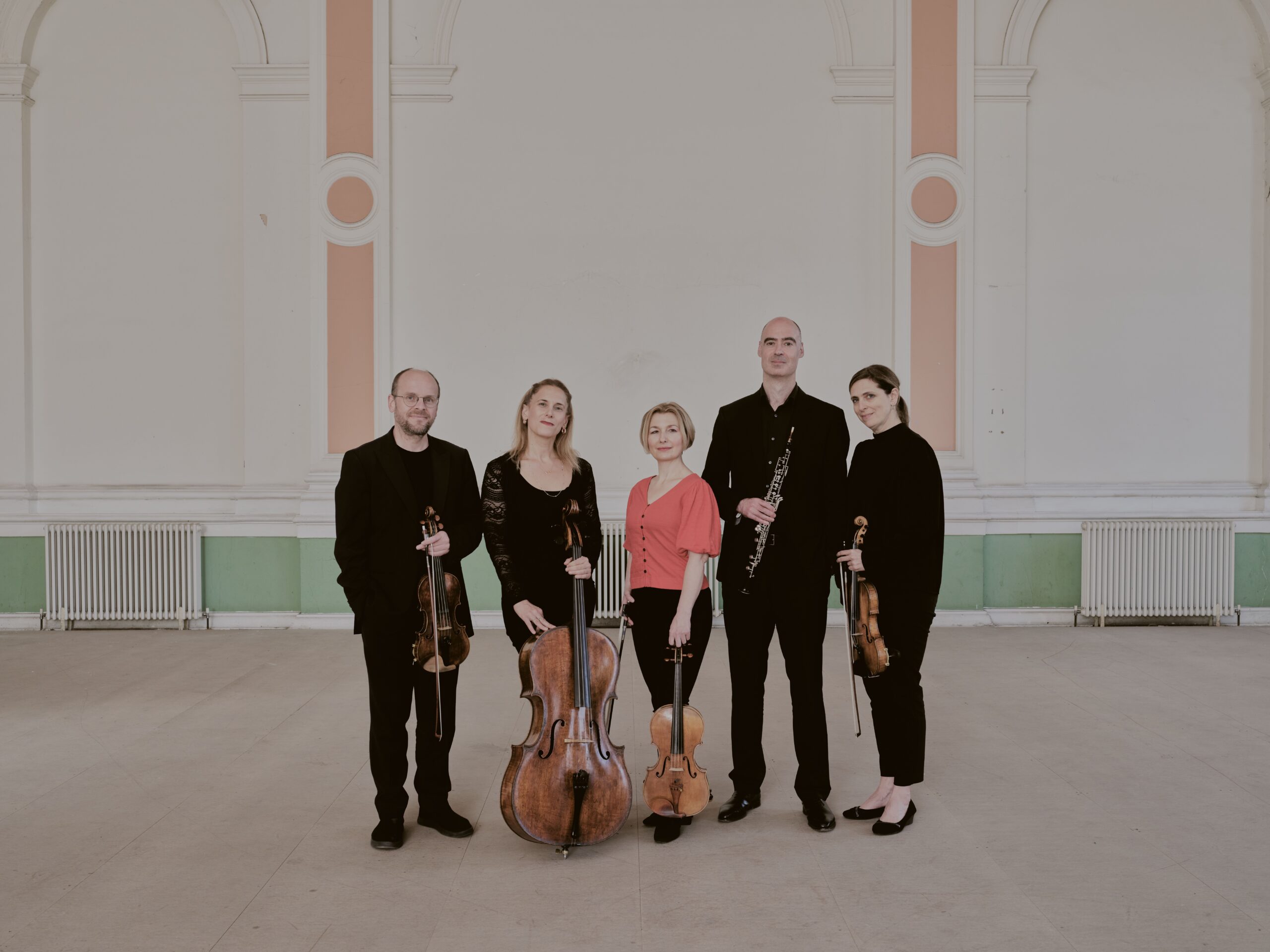
Music in the Round’s Singer-in-Residence Roderick Williams returns with a programme of heartrendingly beautiful English song, including Vaughan Williams’ glorious cycle Songs of Travel

This musical voyage around our island home, performed by Roderick  and pianist Christopher Glynn, two of the most charming and gifted musicians the country has produced, also includes a cosmically titled new commission from Freya Waley-Cohen inspired by the Exmoor landscape and its fairy-tale folklore.

Save 20% when you book for 10 or more Music in the Round Sheffield concerts in one transaction.
Save 10% when you book for 5 or more Music in the Round Sheffield concerts in one transaction. Find out more.
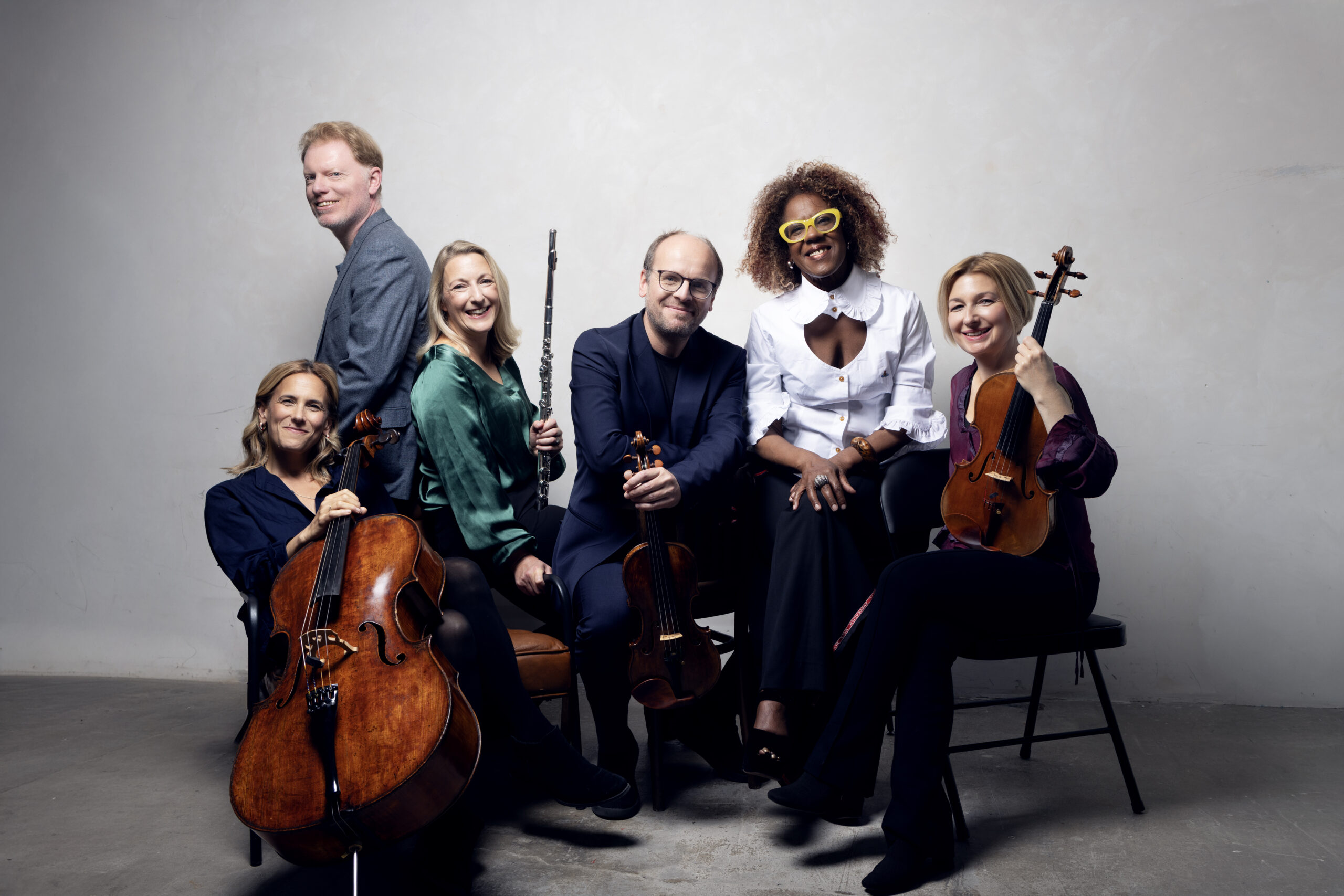
“Williams proved the ideal guide to this repertoire, his phrasing, dramatic physicality and illuminating way with the text bringing fresh insights to old favourites… aided and abetted throughout by Christopher Glynn’s poised and poetic piano playing.”

The Guardian

“Roderick Williams is a national treasure. Acutely responsive to the sound and meaning of words, his approach to the English Romantic song repertoire is revelatory.”

BBC Music Magazine

AMERICANA: GERSHWIN AND BERNSTEIN

Matilda Lloyd & Ensemble 360

Upper Chapel, Sheffield
Saturday 3 October 2026, 2.00pm

Tickets:
£23
£14 UC, PIP & DLA
£5 Students & Under 35s

Book Tickets

HONEGGER Intrada (5’)
HINDEMITH Concerto for Trumpet & Bassoon [string reduction] (17)’
BERNSTEIN Sonata for Clarinet and Piano (10’)
HAYDN Trumpet Concerto [string reduction] (15’)
COPLAND Quiet City [string reduction] (10’)
BEACH Romance (6’)
GERSHWIN (arr. Morton) Promenade – Walking the Dog (3’)
GERSHWIN (arr. Morton) Three Preludes (8’)

Winner of the Young Artist Category in the 2026 Royal Philharmonic Society (RPS) Awards, star trumpeter Matilda Lloyd joins Ensemble 360 for a sparkling celebration of American music, alongside some dazzling trumpet classics. Described by BBC Music Magazine as a “trumpeter extraordinaire,” and celebrated for her impeccable sound, crystalline phrasing, and exquisite control, Matilda Lloyd holds audiences spellbound through virtuosity and expressive power.

This brassy concert celebrates the brilliant sounds of the trumpet and its central place in American chamber music drawing on diverse traditions stretching back to Haydn. 

Copland’s Quiet City is a portrait of the American night: a solitary walker and a bridge in fog. Beach’s Romance captures the elegance of the Boston salon, while Gershwin’s Three Preludes and whimsical Promenade encapsulate the moment jazz and European music collided, and a continent found its unique musical voice.

Save 20% when you book for 10 or more Music in the Round Sheffield concerts in one transaction.
Save 10% when you book for 5 or more Music in the Round Sheffield concerts in one transaction. Find out more.
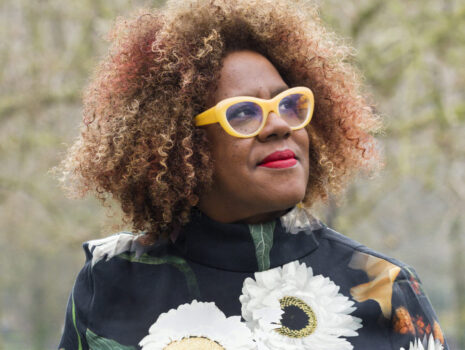
BERNSTEIN Leonard, Clarinet Sonata

Grazioso
Andantino – Vivace e leggiero

Leonard Bernstein wrote his Clarinet Sonata on a holiday spent at Key West, Florida, in the summer of 1941, just after finishing his conducting studies with Fritz Reiner at the Curtis Institute. It was first performed in Boston on 21 April 1942 by the clarinettist David Glazer, with Bernstein at the piano. But it was another clarinettist – David Oppenheim – to whom the work was dedicated, and who gave the first New York performance, and made the first recording, both in 1943. Aaron Copland, Bernstein’s mentor, had expressed reservations about Clarinet Sonata being played in public as he thought it too heavily influenced by Hindemith, Bartók, Milhaud and Copland himself. After the Boston premiere Bernstein wrote to him: ‘Your weren’t supposed to know that the Clarinet Sonata was being done! Direct defiance of your orders. But, hell, I’ve got to hear it.’ A year later, Bernstein put it on the programme of the concert he gave with David Oppenheim at the League of Composers in New York and confessed to Copland: ‘I betrayed you by playing the Clarinet Sonata today … I felt the need to present my first League composition as a piece with a slightly larger form … and the Sonata does approach, at least, a big form. Besides … it provided a lovely excuse for having David Oppenheim come down. So you will forgive me, won’t you?’ Published the same year, Bernstein’s Clarinet Sonata, with its pastoral, rather Hindemith-like first movement and its ebullient 5/8 finale – unmistakably Bernstein – was one of the first pieces to establish his reputation.

Nigel Simeone 2014

DEBUSSY: LA MER

Ensemble 360

Upper Chapel, Sheffield
Thursday 24 September 2026, 7.00pm

Tickets:
£23
£14 UC, PIP & DLA
£5 Students & Under 35s

Book Tickets

R SCHUMANN Adagio and Allegro (8’)
D HOWARD Unravelled (Music in the Round co-commission) (13’)
N BOULANGER 3 Pieces for Cello and Piano (7’)
SAINT-SAËNS Romance Op.36 (4’)
DEBUSSY (arr. Beamish) La mer (30’)

This lustrous evening brings together exquisite sound paintings for piano, strings and horn, showcasing the range and reach of our resident Ensemble 360.

From the mellifluous warmth of Schumann, through the delicate, dappled colours of Dani Howard’s new piano trio (co-commissioned by Music in the Round with Presteigne Festival) and culminating in Debussy’s impressionistic seascape masterpiece, skillfully arranged for piano and strings by Sally Beamish, this is a concert that shimmers with colour.

Save 20% when you book for 10 or more Music in the Round Sheffield concerts in one transaction.
Save 10% when you book for 5 or more Music in the Round Sheffield concerts in one transaction. Find out more.
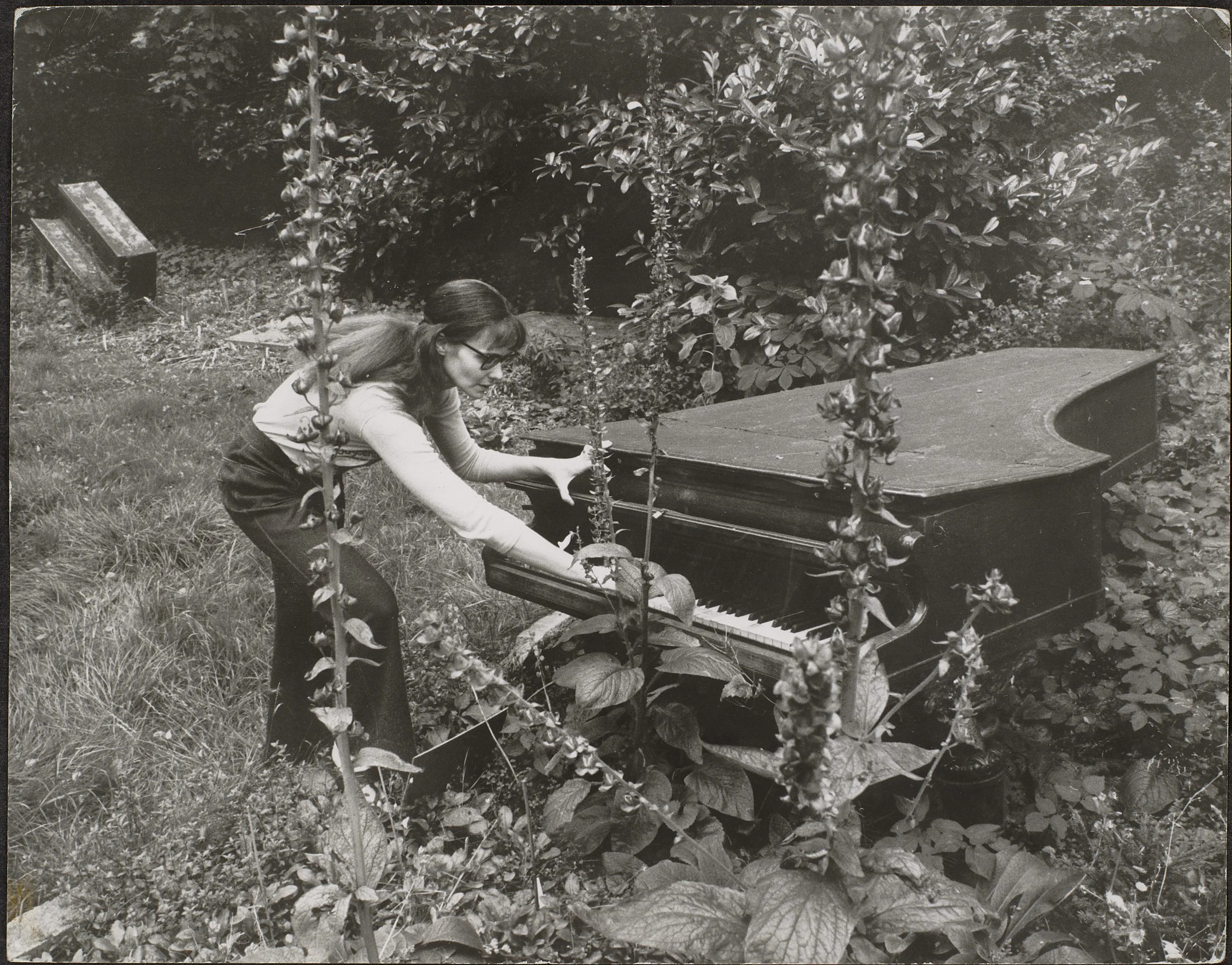
SCHUMANN Robert, Adagio and Allegro Op.70

Schumann wrote this work in Dresden in February 1849. On the original manuscript the title is given as ‘Romance and Allegro’ but this was evidently changed before the first publication six months later. It was first played privately on 2 March 1849 by the horn player Julius Schlitterlau (a member of the Dresden Staatskapelle) with Clara Schumann at the piano. Schumann composed the Adagio and Allegro for the ‘Ventilhorn’ (valve horn) that was coming to prominence as a more versatile successor to the natural horn (with no valves). He wasn’t the first composer to do so – several years earlier, Schumann’s friend Mendelssohn had written for it in the Nocturne of his Midsummer Night’s Dream incidental music – but Schumann was enchanted with the possibilities of the instrument, and it clearly fired his imagination. The day after finishing the Adagio and Allegro he set to work on the astonishing Konzerstück for four horns and orchestra. When the Adagio and Allegro was first published in August 1849, the solo instrument was given as horn or violin or cello, a way of widening the market for this fiery and exciting work. While the cello version is often played now, the first public performance in 1850 was given on the violin (when the soloist was the confusingly-named Franz Schubert), perhaps because the piece as originally conceived for horn was thought to be too difficult: Schumann brilliantly exploits the instrument, but must have presented a formidable challenge to a player in the mid-nineteenth century.


NIGEL SIMEONE 2010

BOULANGER Nadia, Three pieces for cello and piano 

Moderato
Sans vitesse et à l’aise
Vite et nerveusement rythmé 

Nadia Boulanger, teacher, conductor, early music pioneer and trusted adviser to the likes of Stravinsky and Poulenc, was also a gifted composer. Fiercely self-critical, she always claimed her own music was nothing like as significant as that of her brilliant younger sister, Lili, but with the rediscovery of Nadia’s music it has become clear that she was a remarkable talent in her own right. She entered the Paris Conservatoire at the age of nine and subsequently studied composition with Fauré. Most of her music dates from between 1904 and 1918 (the year Lili died), including the Three Pieces for cello and piano, composed in 1914 and first published the following year. The first, in E flat minor, presents a song-like melody on the cello over a hushed piano part marked doux et vague. After a brief climactic central section, the opening music returns for a serene close in E flat major. The second piece, in A minor, treats a deceptively simple tune – almost a folksong – in an ingenious canon between the cello and the piano. The last piece, in C sharp minor, is quick, with a middle section that provides a contrast in both rhythm and texture to the playful but muscular mood of the rest.   

Nigel Simeone © 2022 

SAINT-SAËNS Camille, Romance in F Op.36

The short Romance in F was composed by early 1874, with a dedication to the French horn player Henri-Jean Garrigue. Garigue gave the first performance in February 1874, with Saint-Saëns at the piano, and other horn players quickly took up the Romance. The first edition mentions that the work can also be played on the cello – and Saint-Saëns himself accompanied a performance of the Romance with a cellist on at least one occasion. Garigue was subsequently the author of an important horn tutor, the Méthode pour le cor à pistons, published in 1888. Saint-Saëns arranged the Romance for horn and orchestra and in March 1878 he conducted a performance in Strasbourg with another soloist, Joseph Stennebruggen. Saint-Saëns originally wrote the piece to expand the very limited repertoire of music for horn and piano at the time: it’s in his most elegant and polished style, unpretentious and beautifully crafted, based on two main melodic ideas, both of them typically alluring.


Nigel Simeone 2013

DEBUSSY Claude, (arr. Beamish) La Mer

De L’Aube a Midi sur la mer. Tres lent
Jeux de Vagues. Allegro
Dialogue du vent et de la Mer. Anime et tumultueux

To arrange La Mer for piano trio was one of the biggest challenges I’ve encountered. The temptation was to represent every note from Debussy’s score, but in order to do that (in any case nigh on impossible) all three musicians would have had to be playing all the time, which could have led to an unchanging, dense texture.  

I decided instead to look at the piano trio itself as a medium – particularly works such as the Ravel – and reinvent Debussy’s orchestral score with the piano trio in mind. I needed to create light and shade, and subtleties of colour. This meant exploring what strings and piano can do in terms of texture, and concentrating on idiomatic and natural techniques. This led to use of harmonics, mutes, bow position – such as sul ponticello (a glassy sound made by playing very near the bridge) – and various doublings between piano and strings, using unisons to create new ‘instruments’ – like mixing blue and yellow to make green.  

Once I’d completed the score, I worked with Matthew, Thomas and Ashley, who often suggested feats of virtuosity I hadn’t thought possible, thereby opening up new possibilities previously discounted.  

It has been an immensely satisfying experience to collaborate on re-creating this iconic score for these inspirational players.  

Sally Beamish, 2014 

JAZZ VOYAGE

Julian Joseph

Crucible Playhouse, Sheffield
Friday 18 September 2026, 7.30pm

Tickets:
£23
£14 UC, PIP & DLA
£5 Students & Under 35s

Book Tickets

Virtuoso composer, pianist, improviser, broadcaster, Julian Joseph is a jazz polymath. 

Acclaimed by critics and audiences the world over, he returns to Sheffield to promote his first studio album in 29 years. Voyage of the Faithful, his long-awaited new release, combines original compositions with jazz standards. 

A mesmerizing performer of fluency and invention, Julian’s previous recitals in the Crucible have received rapt admiration from jazz aficionados and curious newcomers alike. This promises to be a stunning evening from one of the most influential and highly respected musicians in British jazz today.

In partnership with Sheffield Jazz

Save 20% when you book for 10 or more Music in the Round Sheffield concerts in one transaction.
Save 10% when you book for 5 or more Music in the Round Sheffield concerts in one transaction. Find out more.

A pianist who really does know how to shape a musical idea and make it more intense until you’re practically jumping out of your seat with excitement.  ”

Daily Telegraph

THE ENGLISH CONCERT: HARPSICHORD & STRINGS

The English Concert

Crucible Playhouse, Sheffield
Friday 18 September 2026, 2.00pm

Tickets:
£23
£14 UC, PIP & DLA
£5 Students & Under 35s

Book Tickets

HANDEL Sonata in G HWV 399 (14’)
TELEMANN Sonata in F TWV 44:11 (9’)
MUFFAT Sonata II in G minor from Armonico Tributo (13’)
WEICHLEIN Sonata VI in F from Encaenia Musices (9’)
BIBER Sonata III in D minor from Fidicinium Acro (5’)
MUFFAT Sonata V in G from Armonico Tributo (20’)

The English Concert “celebrities of the Baroque performance movement” (New York Classical Review) launch a celebration of the majestic High Baroque with Handel’s Sonata in G, a masterclass in grace and counterpoint. 

Widely considered to be among the most sensitive and rigorous interpreters of Baroque repertoire, this renowned ensemble continues the journey from Handel’s sonata and guides us through a vibrant, living tradition of music. From the cosmopolitan craft of Telemann to the fiery invention of Biber, and the staggering dexterity of Georg Muffat, discover the music of Handel’s world: intimate, stately and exquisitely beautiful.

Save 20% when you book for 10 or more Music in the Round Sheffield concerts in one transaction.
Save 10% when you book for 5 or more Music in the Round Sheffield concerts in one transaction. Find out more.

MOZART & FRIENDS

Ensemble 360

Crucible Playhouse, Sheffield
Tuesday 8 September 2026, 7.00pm

Tickets:
£23
£14 UC, PIP & DLA
£5 Students & Under 35s

Book Tickets

BOCCHERINI Oboe Quintet in D minor (10’)
MOZART Adagio for Glass Harmonica (5’)
BOLOGNE Sonata No.1 in B flat for 2 Violins  (10’)
HAYDN Flute Quartet No.1 in D (15’)
SÜSSMAYR Quintet for flute, oboe, violin, viola and cello in D (18’)
MOZART Quintet for glass harmonica, flute, oboe, viola and cello (15’) 

Celebrate Mozart and his lively circle of friends with Ensemble 360 in a delightful evening of music for winds and strings, including two works showcasing the unworldly sound of the glass harmonica. 

This remarkable instrument has an ethereal, angelic tone, which fascinated and inspired Mozart. Rarely-played today, the instrument was invented by Benjamin Franklin and was popular in the 18th century. Its sound is created by the player moistening their fingers with water and gently touching the glass bowls rotating on a horizontal spindle. 

Music from Mozart’s friends include a sonata full of wit, virtuosity, and graceful charm by Joseph Bologne, a swordsman and pioneering composer who was, briefly, Mozart’s neighbour in Paris; and a bright, elegant quintet by Franz Xaver Süssmayr, who famously completed Mozart’s unfinished Requiem following the composer’s death. 

Save 20% when you book for 10 or more Music in the Round Sheffield concerts in one transaction.
Save 10% when you book for 5 or more Music in the Round Sheffield concerts in one transaction. Find out more.
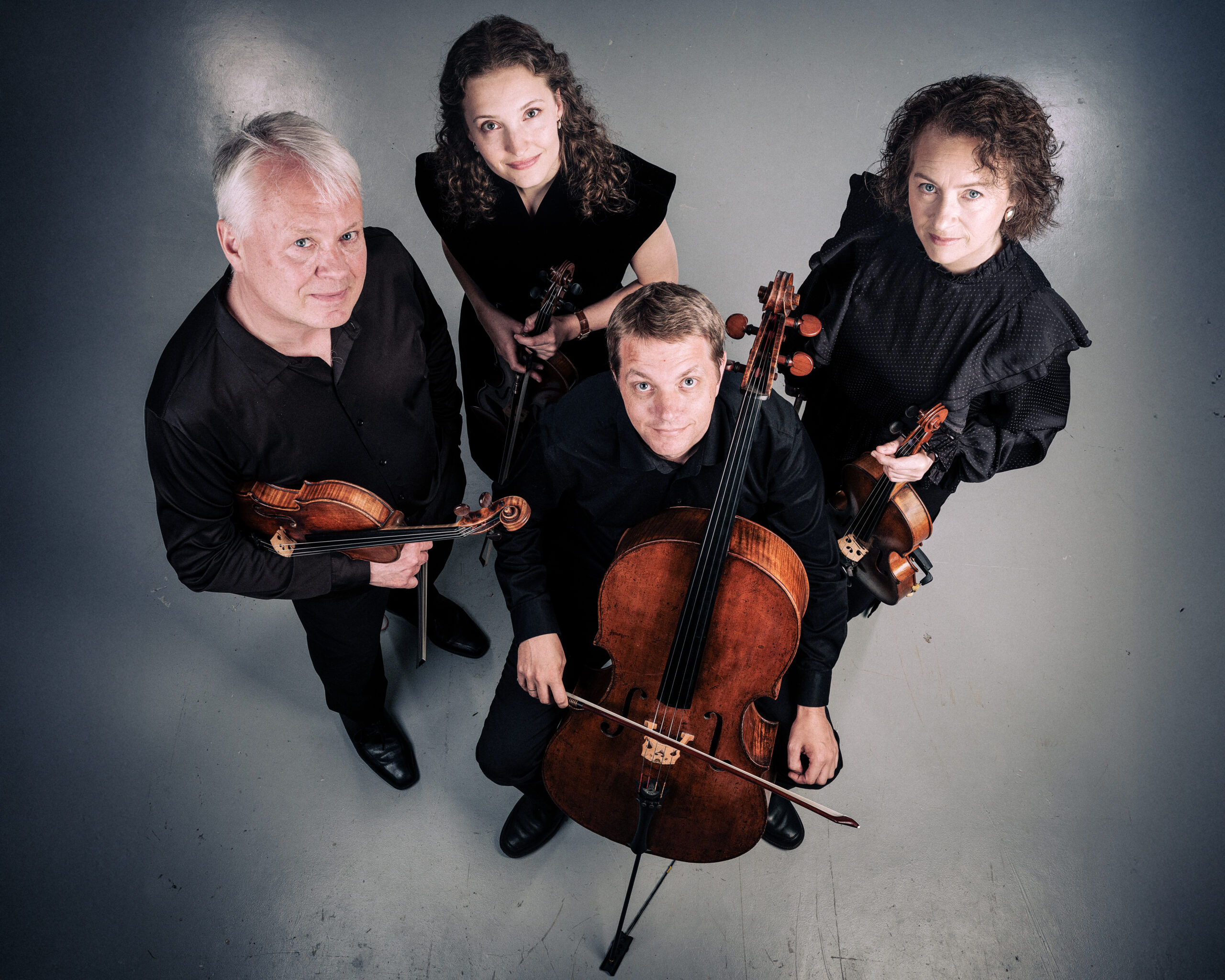
BOCCHERINI Luigi, Oboe Quintet in D minor Op.55 No.6

Allegretto commodo assai
Minuetto

Boccherini’s chamber music was extremely popular in Paris at the end of the eighteenth century. He was working in Madrid at the time, and had a lively correspondence with the composer and publisher Pleyel who had settled in Paris in 1795. In July 1797 Boccherini wrote about “an excellent oboist called Gaspar Barli not only has an extraordinary sweetness but draws the finest sounds from the highest register of his instrument.” Barli was the court oboist to Charles III and Charles IV of Spain and was for this remarkable player that Boccherini wrote a set of six quintets for oboe and strings. When Pleyel published them in Paris the same year, he clearly had an eye on maximising sales: they appeared as ‘Six nouveaux Quintetti pour flûte ou hautbois’, and they are often still played on the flute, as well as the oboe that Boccherini intended. The D minor Quintet is in two movements, both in the home key. The first has some attractive harmonic quirks while the second is a formal but very engaging Minuet which also has hints of the Spanish fandango.


Nigel Simeone © 2012

“Ensemble 360… renowned for its virtuoso performances, bold programming and engaging interpretations.”

The Guardian

RELAXED CONCERT: MOZART & FRIENDS

Ensemble 360

Crucible Playhouse, Sheffield
Tuesday 8 September 2026, 2.00pm

Tickets:
£5 / carers free

Book Tickets

MOZART Oboe Quartet (15’)
HAYDN Flute Quartet No.1 in D (15’)
MOZART Quintet for glass harmonica, flute, oboe, viola and cello (15’)

For this ‘Relaxed’ concert of music by Mozart and his friend, Joseph Haydn, doors will be left open, lights raised, a break-out space provided, and there will be less emphasis on the audience being quiet during the performance.  

People with an Autism Spectrum, sensory or communication disorder or learning disability, those with age-related impairments and parents/carers with babies are all especially welcome.

Save 20% when you book for 10 or more Music in the Round Sheffield concerts in one transaction.
Save 10% when you book for 5 or more Music in the Round Sheffield concerts in one transaction. Find out more.
“Lots of places say they’re accessible but aren’t. You’ve just done it right.”

Audience feedback, Relaxed Concert 2025

SOUNDS OF NOW: FELDMAN & HARRISON

GBSR Duo

Crucible Playhouse, Sheffield
Saturday 5 September 2026, 8.00pm

Tickets:
£17
£10 UC, PIP & DLA
£5 Students & Under 35s

Book Tickets

MONK FELDMAN Clear Edge (5’)
FELDMAN Dance Suite (For Merle Marsicano) (20’)
HARRISON Five Transfigurations and Seven Litanies (world premiere commissioned by Music in the Round) (75’)

Known for bold, fearless programming, GBSR Duo is fast emerging as the leading interpreter of Morton Feldman’s music. Performances in London at the King’s Place, Barbican and Southbank Centre have received high praise from The Guardian: “the intense concentration of these performers and the delicately immersive sound world they created were utterly unforgettable”. Feldman’s rarely performed ‘Dance Suite’ features alongside a monumental new commission by Bryn Harrison, a leading British composer whose music has been described as “utterly compelling” (The Guardian).

With support from the Hinrichsen Foundation 

Save 20% when you book for 10 or more Music in the Round Sheffield concerts in one transaction.
Save 10% when you book for 5 or more Music in the Round Sheffield concerts in one transaction. Find out more.
“A wonderful, adventuresome, sensitive pair of musicians”

Kate Molleson, BBC Radio 3

PIANO CLASSICS

Sarah Beth Briggs

Crucible Playhouse, Sheffield
Saturday 5 September 2026, 2.00pm

Tickets:
£23
£14 UC, PIP & DLA
£5 Students & Under 35s

Book Tickets

BEETHOVEN Bagatelles Op.126 (15’)
C SCHUMANN 4 Pièces fugitives Op.15 (14’)
TAILLEFERRE Sicilienne (3’)
POULENC 3 Novelettes (7’)
R SCHUMANN Waldszenen Op.82 (20’)
BRAHMS Piano Pieces Op.119 (15’)

“An artist of extraordinary magnetism” (Daily Telegraph), Yorkshire pianist Sarah Beth Briggs has enjoyed a distinguished career both on stage and in the recording studio. She returns to the Crucible Playhouse for an afternoon of glittering piano favourites.

Among the highlights are works by R Schumann and Beethoven: Schumann’s evocative  Forest Scenes conjures a mysterious and haunting symbolic world, populated by hunters, lonely flowers and a watchful, prophetic bird; while Beethoven wrote of his lively Bagatelles that these were “quite the best pieces of their kind that I have written”.

Save 20% when you book for 10 or more Music in the Round Sheffield concerts in one transaction.
Save 10% when you book for 5 or more Music in the Round Sheffield concerts in one transaction. Find out more.
BEETHOVEN Ludwig van, Bagatelles Op.126

The familiar harmonic language of Beethoven may invite a relaxation, but I wonder what Beethoven’s contemporaries made of these miniature detonations and meditations. Far from being the “trifles” that their title suggests, the Bagatelles of Op. 126 are the product of the same period as the Ninth Symphony. Concentrated and explosive, they are every bit as expressively dense and seemingly modern as the compositions of Schoenberg we have already experienced. It is worth noting that Schoenberg’s Three Piano Pieces, composed in 1909, bear roughly the same chronological relation to us that the Bagatelles did to Schoenberg. 

While Beethoven’s previous sets of published bagatelles had largely been accumulations of leftover minor statements, the six bagatelles of Op. 126 were deliberately composed as a single entity. In a letter to his publisher, Beethoven wrote that they were “quite the best pieces of their kind that I have written.” The instant juxtaposition of frantic motion and serene contemplation that we find in the final bagatelle, when contained in such a short duration, seems to enhance and deepen the sensations rather than constrict them. 

In 1820, four years before the completion of Op. 126, Beethoven had already started work on not only the Ninth Symphony, but the monumental Missa solemnis as well. At this period of creative magnificence he also produced his three final piano sonatas, each an experiment in form. The first two movements of the Sonata in E, Op. 109, could be taken for two contrasting bagatelles. Their concision, whether in introspection or march-like vigor, is a startling contrast from the vastness of the Hammerklavier Sonata which came before. That the finale of Op. 109 is a set of six variations on a theme seems an almost misplaced technical observation as we experience the noble benediction of the last movement. 

Grant Hiroshima 

SCHUMANN Clara, Four Fugitive Pieces, Op.15

Four Fugitive Pieces, Op. 15, group of four brief compositions for solo piano by Clara Schumann, published in 1845. They are character pieces, presenting distinct movements of contrasting moods rather than an integrated multi-movement sonata. 

Clara Schumann wrote the Four Fugitive Pieces soon after her marriage to the composer Robert Schumann in 1840. The music was published five years later. Wistfully understated, the pieces are romantic and introspective, suffused with the same gentleness that characterizes the nocturnes of Chopin. By calling the pieces fugitive, Schumann refers to the unrestrained nature of the music, which is freer and less restricted by formal conventions than music of earlier eras. 

The pieces span a range of moods and keys. The first, “Larghetto,” in F major, is sweetly reflective, recalling Chopin. The second, “Un poco agitato,” in A major, is more nervous in character, with spirited lines that rise and fall. “Andante espressivo,” in D major, is the longest of the four pieces and returns to the nocturnal spirit of the “Larghetto.” The set then concludes in a playful mood with the “Scherzo,” in G major. 

Betsy Schwarm 


BRAHMS Johannes, Four Piano Pieces Op.119

Adagio
Andantino un poco agitato
Grazioso e giocoso
Allegro risoluto

In May 1893, Brahms wrote to Clara Schumann about the first of his latest set of piano pieces: ‘It is teeming with dissonances! These are correct and can be explained – but perhaps they won’t be to your taste. This little piece is exceptionally melancholic and … every bar and every note must sound like a ritardando, as if one wanted to suck melancholy out of each one, taking pleasure in all those dissonances! Good Lord, surely this description will arouse your interest!’

The Intermezzo in B minor (marked Adagio) is based on a falling idea of infinite sadness, and it reveals the extent to which Brahms was continuing to experiment as he turned 60: this is music of haunting strangeness, making imaginative use of the sustaining power of the piano to create overlapping dissonances. The E minor Intermezzo that follows is demonstration of Brahms’s distilled, economical late style, dominated by a persistent motif from which all the material is derived (including its own accompaniment). The C major Intermezzo is a gentle scherzo, full of rhythmic inventiveness, and the set ends with a flamboyant Rhapsody in E flat major which has surprises too: using five-bar phrases, and ending in E flat minor.

© Nigel Simeone 2015

SCHUMANN Robert, Waldszenen (extracts) Einsame Blumen, Verrufene Stelle, Freundliche Landschaft, Vogel als Prophet

Schumann’s Waldszenen, Op.82, dates from 1848, just after finishing his opera Genoveva, the last act of which takes place in a forest. The woodland inspiration evidently persisted and the new set of pieces was completed in January 1849, with the last of them, ‘Vogel als Prophet’ (‘The Prophet Bird’) added as an inspired afterthought. One early review captured the spirit of these pieces, delighting in ‘the enigmatic rustlings, the distant melodies, the mystical flowers in this magical forest.’ 


Nigel Simeone